Tag: Europe

  • How to Pick Your Next Destination: 8 Questions That Do the Deciding for You

    How to Pick Your Next Destination: 8 Questions That Do the Deciding for You

    Most destination advice starts in the wrong place. It hands you a list of ten beautiful cities and lets you sort it out from there, which is how people end up booking a trip that photographs beautifully and exhausts them by day three.

    I’ve come around to a different approach. Answer eight questions about yourself — who’s coming, how long you have, what your body and your budget will actually tolerate — and the destination mostly picks itself. The map narrows on its own.

    Answer these quickly and honestly. Your gut answer is the useful one. Aspirational answers are how you end up with a rental car in a medieval old town at 9pm looking for parking.

    Two notes before we start. Each answer below points at a type of place first and names examples second — the type is the part that matters, because it’s what lets you apply this to somewhere I’ve never mentioned. And where a place is linked, I’ve been there and written about it. My travel skews European, so that’s where the first-hand recommendations cluster; everywhere else is a starting point for your own research rather than a personal endorsement.

    1. Who’s actually coming?

    This decides more than anything else on the list, and it’s the question people skip fastest.

    • Just me. You can optimize entirely for your own pace, which is a genuine luxury. Look for a walkable city with a good café culture, where sitting alone with a book at dinner is completely normal, and where you feel comfortable walking back to your hotel after dark.
    • Me and one other person. The easiest group size there is. Two people can abandon a plan at 2pm and go sit by a canal instead. You can afford a more ambitious itinerary because you can course-correct without a committee.
    • A small group of adults. Decision fatigue becomes the real enemy — not distance, not budget. Pick one base, agree in advance that splitting up for an afternoon is normal and not rude, and book dinners ahead so nobody’s standing on a corner at 7pm negotiating.
    • Mixed ages, mixed paces. The trip runs at the pace of whoever is most tired, most overheated, or most footsore. That’s not a compromise, it’s just physics. Choose a place where doing less is still worth doing — a town where the sitting-and-watching is as good as the sightseeing.
    • Solo → a dense, transit-rich city where a table for one is unremarkable. Amsterdam, Copenhagen, Edinburgh, Lisbon, Tokyo, Montreal.
    • Mixed group → a mid-size base with rail service out to smaller places, so the fast people and the slow people can split the day and reconvene at dinner. Luxembourg City, Strasbourg, Kyoto, Salzburg, Santa Fe.
    • Probably skip: Multi-stop rail loops with a big group, remote stays where one restaurant serves everyone, and anywhere the day hinges on a single strenuous activity everyone has to be up for.

    Our summer trip through Belgium, Luxembourg, Alsace, and Switzerland was five travelers, and that number is exactly why we structured it as a few multi-night bases with day trips out, rather than a new hotel every night. Five people packing and unpacking daily would have been the whole vacation.

    2. How many days do you really have?

    Not the number on your time-off request. Subtract the flight over, subtract the flight back, and subtract most of your first day on the ground, because a long-haul arrival day is for showering, walking slowly, and eating an early dinner. Whatever’s left is your actual trip.

    • Under 5 usable days. One city. No day trips, or one at most. Fly into the place you actually want to be.
    • 5 to 8 usable days. One base, two or three day trips out from it. This is the sweet spot for a first international trip, and it’s far more restful than it sounds.
    • 9 to 14 usable days. Two or three bases in one region, three nights minimum each. Now a multi-country or cross-country loop is realistic.
    • Two weeks or more. You can add a genuine rest day in the middle. Do it. A day with nothing on it is what keeps week two from feeling like a chore.
    • Short trip → one city, direct flight, no time lost to jet lag. Domestically that means Charleston, New Orleans, Savannah, Montreal, or Quebec City. Overseas, the ones with the most direct routes: Dublin, Amsterdam, Lisbon, Edinburgh, Reykjavík.
    • 9 to 14 days → one region, a few bases, short hops between them. A Belgium-to-Alsace-to-Switzerland run like ours, a Tokyo–Kanazawa–Kyoto line, Portugal end to end, or a Utah national parks loop.
    • Probably skip on a short trip: Anything requiring an internal flight, Scandinavia end to end, London-and-Paris-in-five-days, and Japan — which deserves more than a long weekend after a flight that long.

    My one hard rule: three nights per base. Two nights means one full day, because arrival afternoon and departure morning don’t count. The math is brutal and it’s why so many itineraries feel like a scramble.

    3. What are your limitations — honestly?

    This is the question I want you to answer least aspirationally of all. Limitations aren’t a smaller trip. They’re a filter, and the trip that comes out the other side is usually better than the one you’d have picked without them.

    • Terrain. Cobblestones, hills, and stairs are the three things that quietly wreck a travel day. Luxembourg City’s lower town is gorgeous and climbing back out of it is genuinely brutal — there’s a free public elevator, and knowing that in advance is the difference between a good day and a bad one. Ask whether the place you’re eyeing is flat.
    • Heat. Air conditioning is not a given in European hotels, restaurants, or trains, and humidity does its own damage elsewhere. If you run hot, midsummer in a stone city is a real risk, not a minor inconvenience. Here’s how I handle it.
    • Food and digestion. If you have IBS, celiac, allergies, or you just know your system, this belongs in the destination decision and not only in the packing list. I research bathrooms, breakfast options, and pharmacy access before I book, not after.
    • Sleep. If you sleep badly in noise, a room over a nightlife street in a busy city center will cost you the whole trip. It’s worth paying more for a quiet side street.
    • Energy. Be honest about how many hours a day you actually want to be out. Four good hours beats nine mediocre ones.
    • Terrain limits → flat, compact, and well served by trams, buses, or a metro when you’re done walking. Amsterdam, Bruges, Ghent, Colmar, Copenhagen, Kyoto, Chicago, Washington DC.
    • Heat-sensitive → go north, go coastal, or go up. Switzerland, Scotland, Norway, the Pacific Northwest, coastal Maine — or anywhere southern in April, May, or October instead of July.
    • Probably skip: Hill towns and stair cities. Lisbon’s Alfama, Edinburgh’s Old Town closes, Cinque Terre, Dubrovnik, Santorini, Tuscan hilltop villages, and San Francisco are all beautiful and all vertical. Add Japan in August, which is punishingly humid, and anywhere your main sight is a long uphill walk with no alternative transport.

    4. What’s the budget, and which part of it can flex?

    A number by itself doesn’t help you pick. What helps is knowing which of the four buckets you’re willing to stretch: getting there, sleeping, moving around once you’re there, and eating.

    • Flights are the constraint. Let the cheap route pick the region, then build the trip around wherever you can land affordably. This is the single biggest lever there is.
    • Lodging is the constraint. Fewer bases. Every hotel change costs you a night’s rate and a half-day of logistics. A hotel with breakfast included saves real money and, more importantly, saves a decision every single morning.
    • Daily spending is the constraint. This is where the choice of country matters enormously.
    • Money is not the constraint, time is. Buy the direct flight, buy the private transfer for the ugly leg, buy the hotel with the good location. Convert money into hours and energy.
    • Tight daily budget → somewhere the everyday costs are low, not just the flight. Portugal, Poland, Czechia, Hungary, much of Germany, Mexico. Japan belongs here too, which surprises people — the food and the trains cost far less than the airfare suggests.
    • Budget can flex → the places that are worth it and will charge you for it. Switzerland, Norway, Iceland, Hawaii. Go in knowing a casual lunch in Zurich costs what a nice dinner costs elsewhere.
    • Probably skip on a tight budget: Switzerland, Iceland, Scandinavia, Hawaii — not because you can’t do them, but because the constant math will follow you around all week. Same for Paris, London, Amsterdam, and New York in peak season, where lodging alone eats the plan.

    Shoulder season deserves a mention here because it moves every bucket at once — cheaper flights, cheaper rooms, thinner crowds, better weather in a lot of places. Late April to early June and September into October are where the value lives.

    5. Evenings in, or evenings out?

    Nobody asks this and it changes everything about which place fits you.
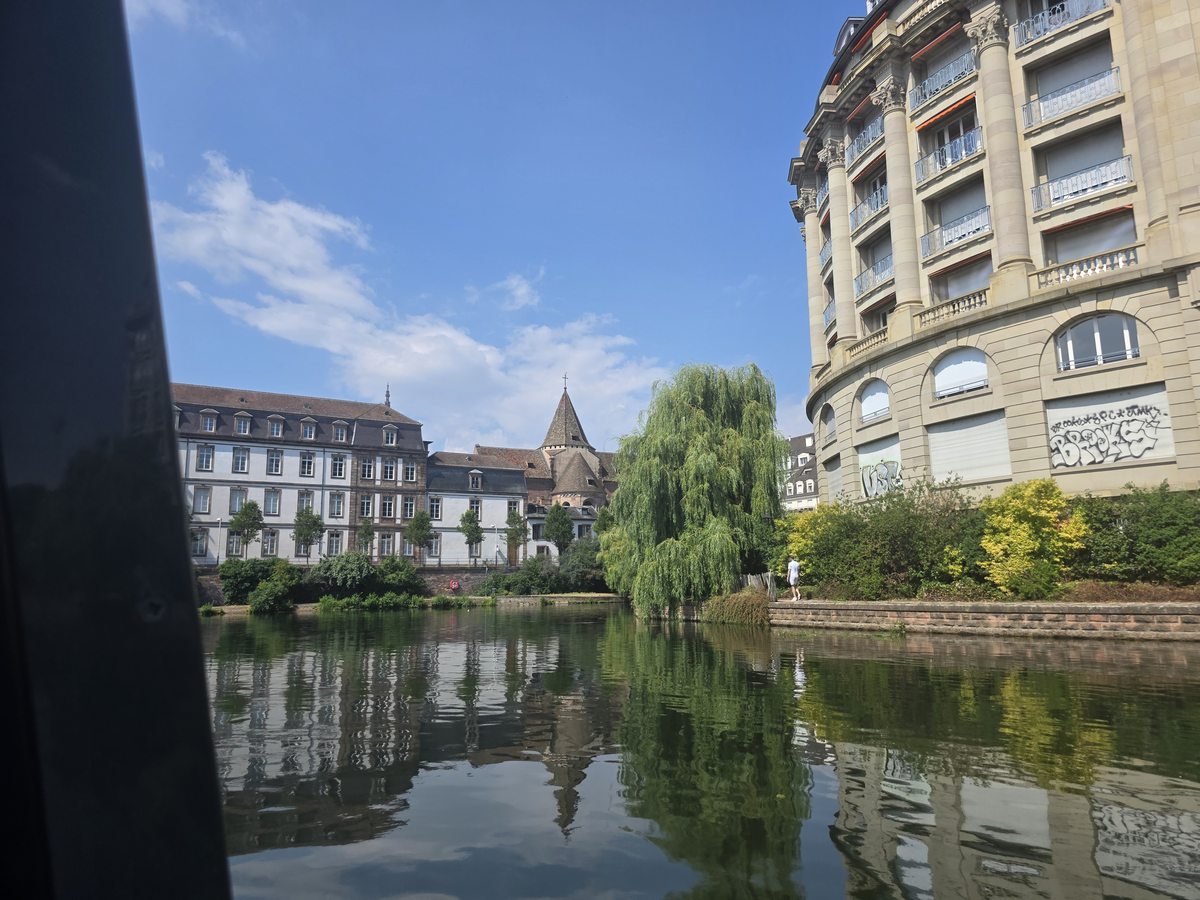
    A wide, still stretch of canal in Strasbourg with a weeping willow and stone buildings reflected in the water, almost nobody around
    A quiet stretch of water in Strasbourg on a weekday afternoon. If your evenings are in, this is the trip you’re shopping for.
    • Evenings in. Then the hotel is the trip, and you should spend accordingly. You want a room with a real chair, a decent bathroom, and ideally a kettle. Bring something to do with your hands; I keep a small puzzle book in my bag for exactly this.
    • Evenings out. Then density is what you’re shopping for. You want dinner, a drink, and a walk home all inside a ten-minute radius. A charming village where the two restaurants close at 8:30 will frustrate you.
    • Genuinely both. Base in the lively place and day-trip to the quiet ones. That direction works far better than the reverse, because getting into a lively city for the evening is much harder than getting out of one for the afternoon.
    • Evenings in → a small town, a lake, or a mountain base where the view from the room is the entertainment. Bruges once the day-trippers leave, Colmar, Lucerne, Alsatian wine villages, a ryokan in small-town Japan, the Oregon coast, coastal Maine.
    • Evenings out → a city center with restaurants and bars inside a ten-minute walk, ideally where the crowd is local rather than touristic. Madrid, Lisbon, Berlin, Porto, Ghent, Tokyo, Osaka, Mexico City, New Orleans, Montreal.
    • Probably skip: If your evenings are out, skip tiny villages, small towns where kitchens close by nine, and resort areas off-season. If your evenings are in, skip a hotel on a main square in high summer — the noise is the whole point of that location.

    6. Warm or cold?

    Answer for your actual thermostat, not for the version of you who likes the idea of a beach.

    • I’d rather be warm → south, and shoulder season if you don’t want to fight crowds. Spain, Portugal, southern Italy, Greece, Malta, Croatia, Mexico, the Caribbean, Hawaii, the American Southwest in spring. Check whether your lodging has air conditioning rather than assuming.
    • I’d rather be cool → north, coastal, or up in elevation. Switzerland and Austria in summer are the good trick — you can take a lift up and drop ten degrees in twenty minutes. The Netherlands, Belgium, Ireland, coastal Scotland, the Pacific Northwest, and coastal Maine rarely get properly hot. Japan is lovely in spring and fall and miserable in August.
    • Cold doesn’t bother me → off-season anywhere good. This is a real advantage and most people won’t use it: empty museums, cheap hotels, cozy evenings. Scotland taught me that. Vienna, Prague, the German and Alsatian Christmas market towns, Quebec City in winter, and Hokkaido are all at their best in the cold.

    Overheating is the single most underrated trip-ruiner I know. Being cold is a jacket problem. Being hot, in a city with stone streets and no shade and no air conditioning to come back to, is an all-day problem. If you run warm, the honest advice is to skip the hot places in July and August entirely — not to pack better for them.

    7. Bustling or quiet?

    Cities aren’t better or worse than small towns, they’re a different trip, and the mismatch is what makes people say a famous place was overrated.
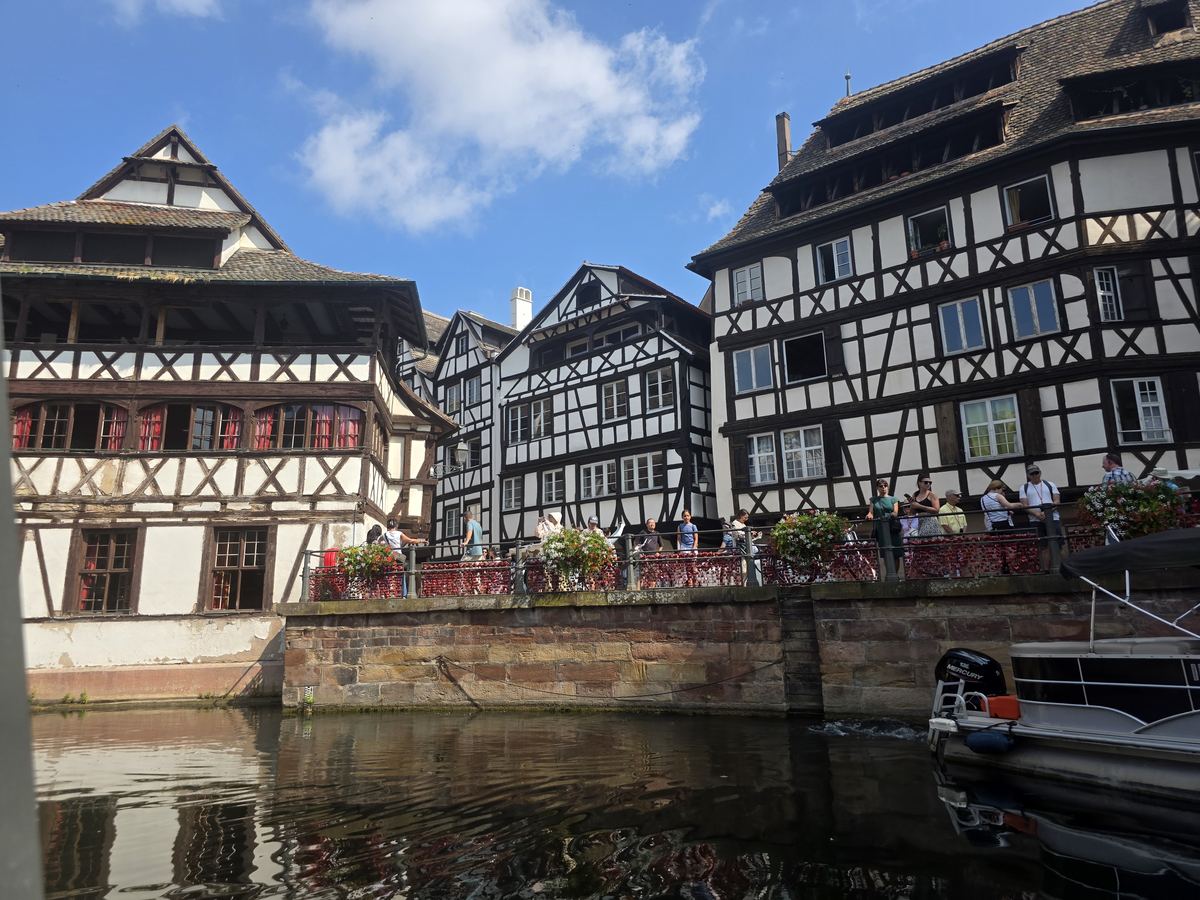
    Crowds of visitors packed shoulder to shoulder on a flower-lined bridge in front of Strasbourg's half-timbered Petite France houses on a summer afternoon
    Petite France, the same city as the photo above, a short walk away. Same afternoon, completely different trip.
    • Bustling → a big city with distinct neighborhoods, museums, and late dinners. Paris, Berlin, Madrid, London, Amsterdam, Rome, Tokyo, New York, Mexico City.
    • Quiet → a small town, a coastline, or a valley where you walk the same three streets twice and start recognizing the shopkeepers. Durbuy, Colmar, Riquewihr, the villages around Lake Lucerne, the Scottish islands, rural Ireland, the Oregon coast, Vermont.
    • In between → a mid-size city, with enough restaurants and evening life to feel alive and small enough to cross on foot. Ghent, Strasbourg, Porto, Bologna, Utrecht, Bergen, Kyoto, Portland, Savannah.

    I’ll be honest about how this played out for us. Brussels was the weakest of our three Belgian cities — it’s a working capital and it feels like one. Bruges won my heart and is very much the quiet-evening answer. Ghent landed right in the middle, with a livelier and less touristed feel. Three cities, an hour apart, three completely different trips depending on which of those you are.

    The one to skip either way: a famous small town in peak season. Bruges at noon in July is not a quiet trip and not a bustling one — it’s a queue. Go in the evening or go in the spring.

    8. How do you want to get around?

    This one looks logistical, but it’s really another energy question. The way you move between places determines how much of you is left when you arrive.

    • Trains → anywhere with a real intercity network. The most restful option there is, and the reason Belgium, Switzerland, Germany, Austria, and the Netherlands are so friendly to carry-on travelers. Japan is the best of all of them — the Shinkansen makes a multi-city trip feel like a commute. Luxembourg goes one better and makes public transit free across the whole country. In the US this really only works in the Northeast Corridor.
    • Rental car → countryside, coastline, wine regions, and national parks. The Oregon coast, Utah’s parks, Vermont, the Scottish Highlands, Iceland’s ring road, Provence, Tuscany, western Ireland. The wrong call for historic old towns, which are hostile to cars by design and expensive to park in. Also worth asking who’s willing to drive, because that person doesn’t get a vacation day.
    • A private driver for one hard leg. My favorite splurge and the most under-considered option on this list. We used one for the long country-to-country stretches, which let us break the drive with stops we’d never have reached by train. You don’t have to do it for the whole trip. One leg is often enough.
    • Walking only → one dense, flat base and a two-mile radius. Entirely valid, and some of the best trips I’ve taken have looked like this. Bruges, Ghent, Colmar, Lucerne’s old town, central Copenhagen, Kyoto’s Gion, old Quebec City.

    What to skip: don’t rent a car for a trip that’s mostly city stops, and don’t try to do a rural region — the Highlands, the Dolomites, rural Ireland, the American West — on public transit alone. Both are the classic mismatch, and both turn a good trip into a logistics project.

    Putting your answers together

    Two answers usually do most of the work, and the pace question and the transport question are the two. Find the combination that sounds like you:

    • Bustling + public transport → a big city with a real metro, and no car at all. Tokyo, Berlin, Madrid, Amsterdam, New York, Mexico City. Stay central, go deep on one place instead of wide across three.
    • Quiet + car → a rural drive with one or two bases and scenery between them. The Oregon coast, the Scottish Highlands, Vermont in fall, Iceland’s ring road, western Ireland. Accept that the driving is part of the trip rather than a tax on it.
    • Quiet + trains → small towns strung along a rail line. Alsace, the Belgian canal cities, the villages around Lake Lucerne, small-town Japan. All the calm of the rural version without anyone having to drive.
    • In between + trains → a mid-size city as a base, day trips out. Ghent, Strasbourg, Kyoto, Porto, Bologna. This is the most forgiving setup there is for a mixed-pace group.
    • Bustling + car → usually a mismatch. If the destination is a big city, park the car or skip it. If you’ve rented one for the countryside portion, drop it before you hit the city and pick it up after.

    Then layer in the other answers to narrow further:

    • Short trip, no jet lag, want it easy. A domestic or near-abroad city break — Charleston, New Orleans, Montreal, Quebec City. One base, four days, no internal travel.
    • Mixed ages and paces, heat-averse, want to do less. One base with a genuinely nice hotel, day trips out, a rest day in the middle. Switzerland or the Alps if the budget stretches, Germany or Luxembourg if it doesn’t.
    • First big international trip, and you want everything to work. Japan. The trains run to the second, the hotels are immaculate, and there’s excellent food at every price point.
    • Solo, longer trip, tight daily budget, happy alone in the evening. Portugal, Poland, or Czechia in shoulder season. Long stays, a rail pass, slow days.
    • Real mobility or terrain limits. Flat, dense, transit-rich: the Netherlands, northern Belgium, Copenhagen, Kyoto, Chicago, Washington DC — modern or flat centers rather than hilltop old towns.

    The one-page version

    Screenshot this and answer it in a notes app before you open a single booking site:
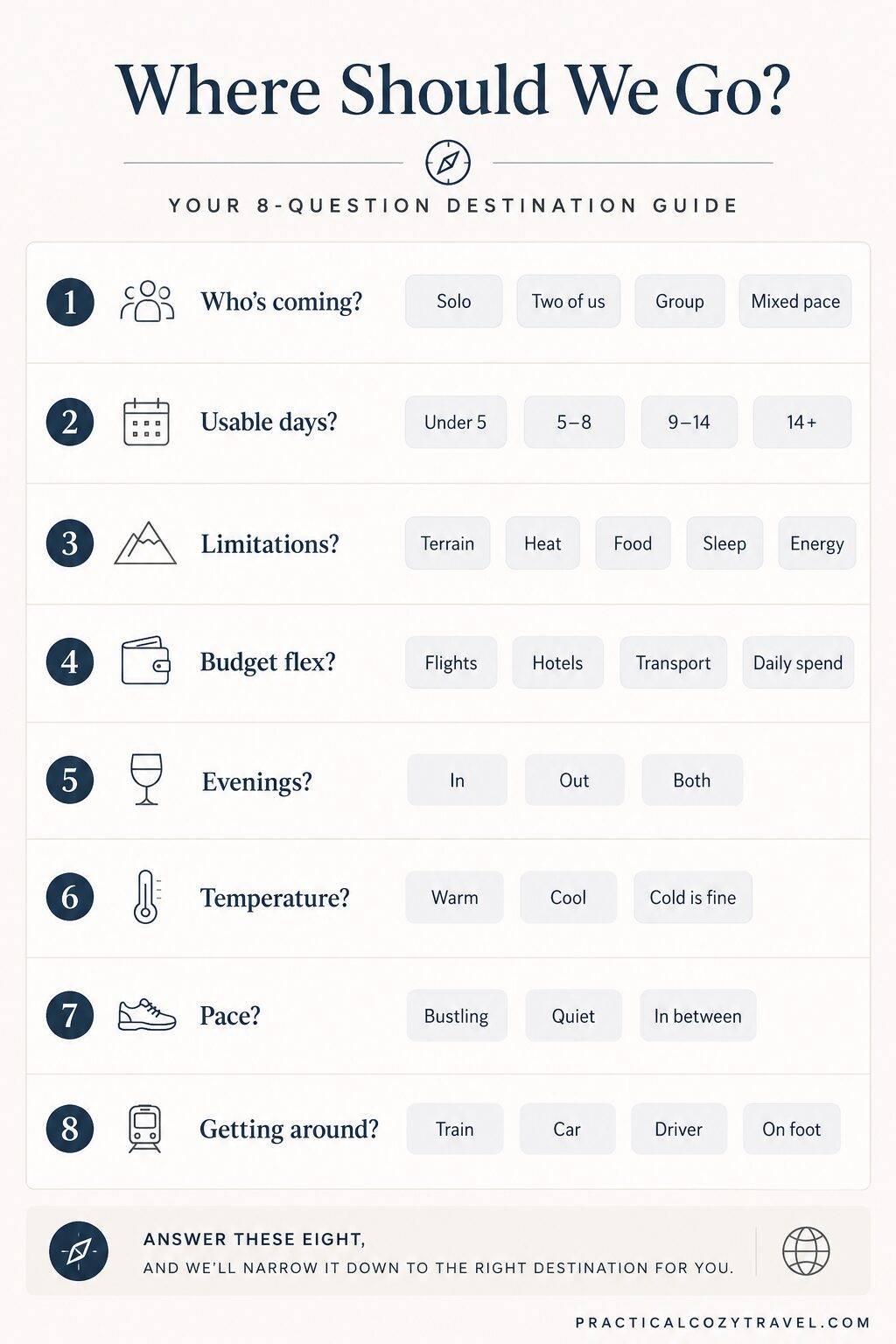
    Chart titled Where Should We Go, listing the eight destination questions and their answer options: who's coming, usable days, limitations, budget flex, evenings, temperature, pace, and getting around
    Save this one to your phone.
    1. Who’s coming, and whose pace sets the trip?
    2. How many usable days are left after travel and arrival day?
    3. What can’t my body do comfortably — hills, heat, long days, unpredictable food?
    4. Which budget bucket can flex: flights, hotels, transport, or daily spending?
    5. Am I out in the evenings or back at the hotel by eight?
    6. Warm or cool?
    7. Bustling or quiet — and can I base in one and visit the other?
    8. Trains, car, driver, or purely on foot?

    Then pick the destination that fits those answers, not the one that fits the highlight reel. The right trip is the one that still feels good on day four — when you’re a little tired, a little footsore, and very glad you didn’t book something more ambitious.
    Related reading

  • A Summer Grand Tour of Belgium, Luxembourg, Alsace & Switzerland: Our Day-by-Day Itinerary

    Last summer we looped through Belgium, Luxembourg, a slice of Germany, the Alsace region of France, and into Switzerland — mostly by train, with a private driver for the longer country-to-country legs. It packed in a lot without ever feeling rushed, and it’s very repeatable whether you’re traveling solo or wrangling a group of five like we were. Here’s the full day-by-day, with links to everything I wrote up in detail.

    The route at a glance

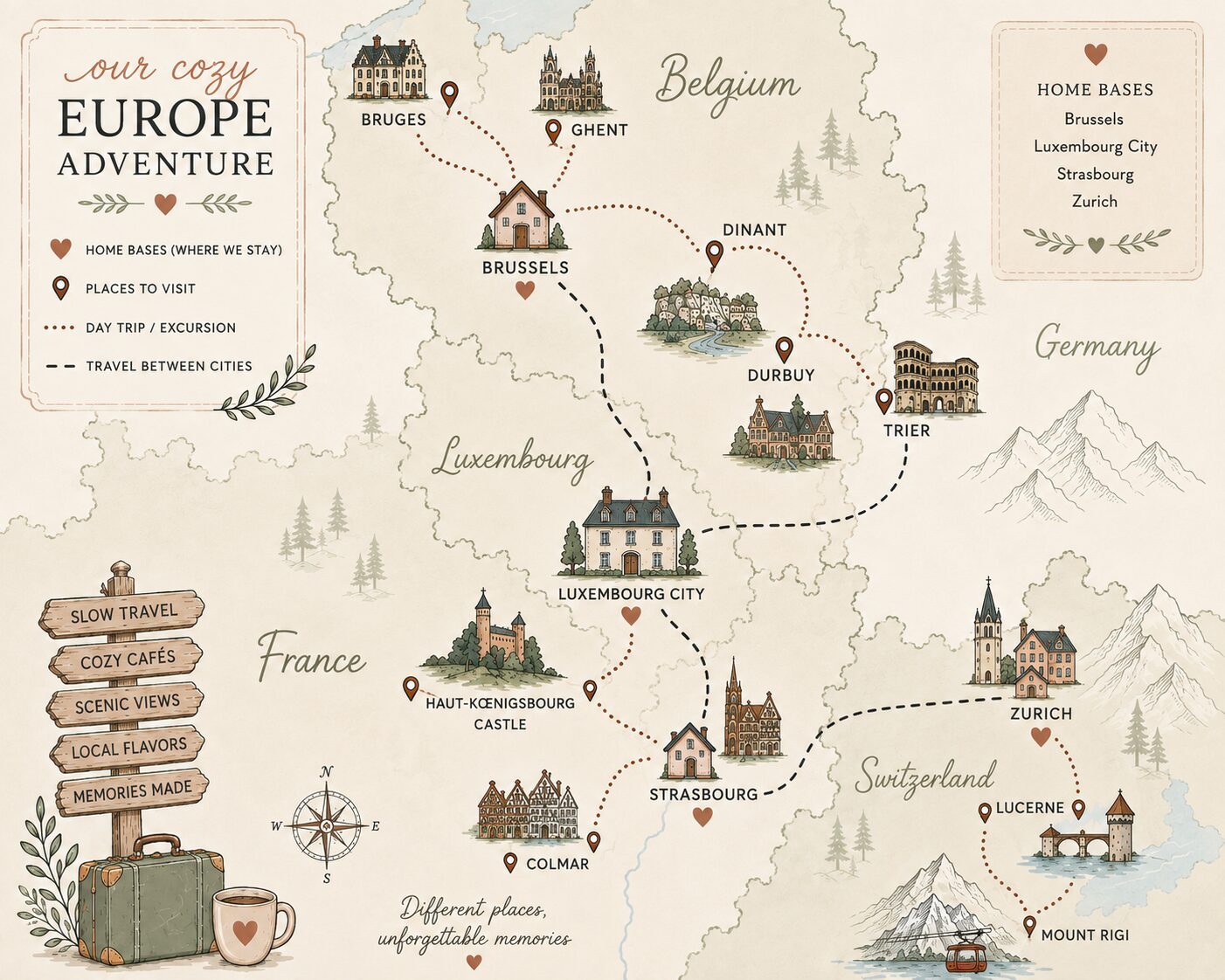
    Illustrated map of a 12-day cozy Europe itinerary with home bases in Brussels, Luxembourg City, Strasbourg and Zurich, plus day trips to Bruges, Ghent, Dinant, Durbuy, Trier, Colmar, Haut-Koenigsbourg Castle, Lucerne and Mount Rigi
    Four home bases, everything else a day trip. Dotted lines are excursions; dashed lines are the travel days between cities.
    • Belgium: Brussels as a base, with day trips to Bruges and Ghent
    • The drive south: scenic stops in Durbuy and Dinant
    • Luxembourg: Luxembourg City, plus a day trip across the border to Trier, Germany
    • Alsace: Haut-Kœnigsbourg castle and Colmar en route to Strasbourg
    • Switzerland: Zurich, plus Lucerne and Mount Rigi to finish

    The day-by-day itinerary

    Day 1 — Travel day. An overnight flight over, landing early the next morning. If you want the full breakdown of how I fit this whole trip into a carry-on, that’s here.

    Day 2 — Brussels. Arrival and the Old Town, including the Grand-Place. My honest take on Belgium’s capital: Brussels: An Honest First Look.

    Day 3 — Bruges. An early train and the storybook canals — my favorite of the three Belgian cities. Bruges: The Storybook Belgian City.

    Day 4 — Ghent. Belgium’s underrated canal city (take the tram, not the walk). Ghent: Belgium’s Underrated Canal City.

    Day 5 — Brussels to Luxembourg. A private driver let us break up the drive with two lovely stops. Durbuy & Dinant: The Prettiest Stops Between Brussels and Luxembourg.

    Day 6 — Trier. An easy day trip across the German border to Germany’s oldest city. A Day Trip to Trier.

    Day 7 — Luxembourg City. A leisurely day of clifftop views, the Grund, and a lot of good cafes. A Leisurely Day in Luxembourg City.

    Day 8 — Luxembourg to Strasbourg. A fairytale castle and the storybook town of Colmar along the way. Luxembourg to Strasbourg: Haut-Kœnigsbourg & Colmar.

    Day 9 — Strasbourg. Alsatian charm, a grand cathedral, and — for the skincare lovers — a proper French pharmacy haul. Full day here: Strasbourg: Alsatian Charm & a Grand Cathedral.

    Day 10 — Zurich. A relaxing arrival into Switzerland: wandering the Limmat, the old-town classics, and watching locals leap off the bridges into the river. First Look at Zurich.

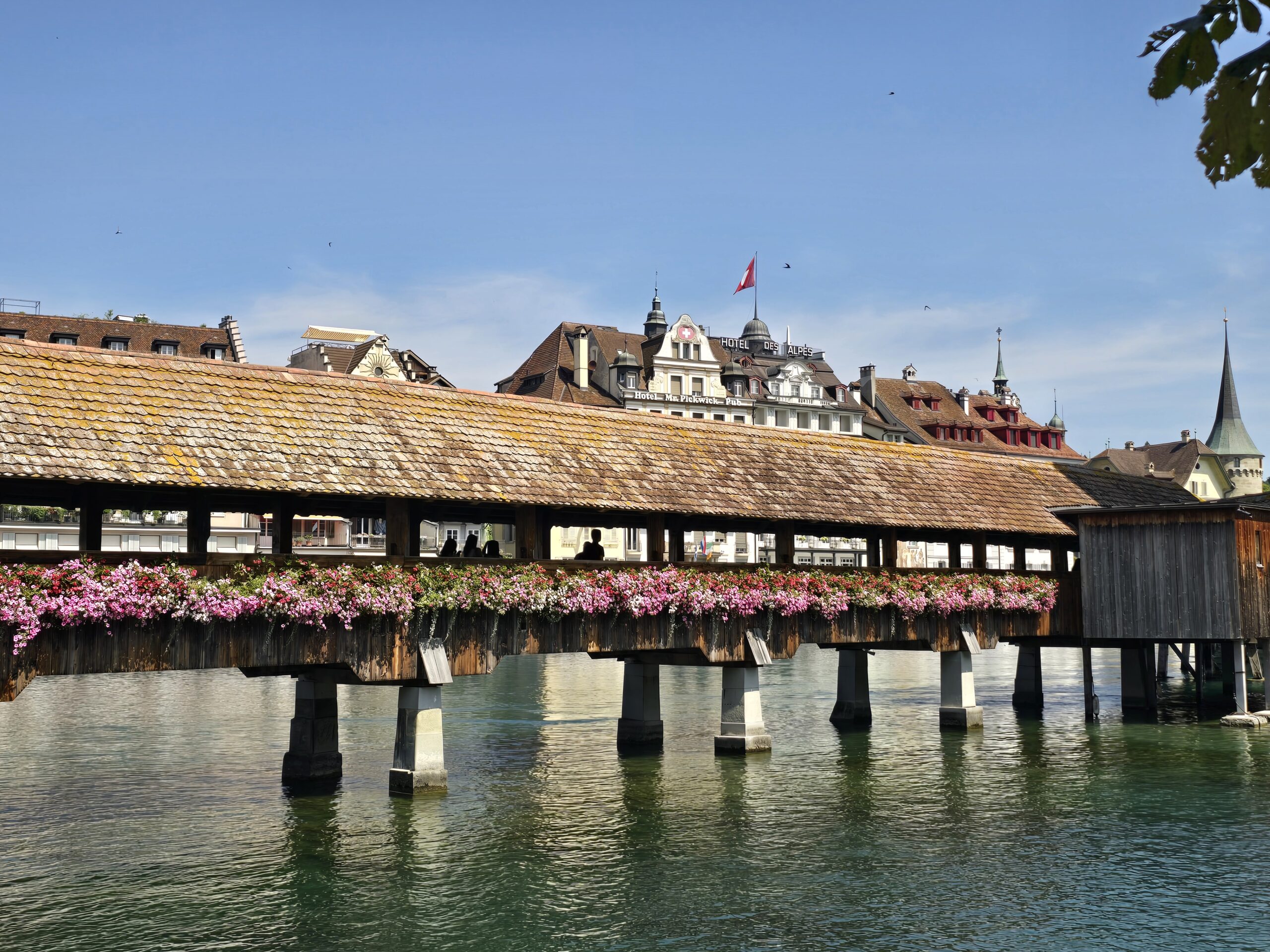
    Day 11 — Lucerne & Mount Rigi. A private-tour day and the highlight of our Switzerland leg — Lucerne’s Chapel Bridge and Lion Monument, then a gondola and cog railway to the top of Mount Rigi. Lucerne and Mount Rigi: The Best Day of Our Switzerland Trip.

    Day 12 — Flight home. A pure travel day. My rule for the last morning: no ambitious sightseeing — breakfast, one last check that nothing got left in the hotel safe, and head for the airport. Still short on gifts? Don’t panic-buy from a souvenir shop. Swiss grocery stores, the shops at Zurich’s main train station, and the airport all have a good spread — just check what will actually clear a carry-on before you buy.

    Before you go

    Two posts that made this trip run smoothly: what I packed for 12 days in a carry-on, and how I used AI to help plan the whole thing.


  • Lucerne and Mount Rigi: The Best Day of Our Switzerland Trip

    Lucerne and Mount Rigi: The Best Day of Our Switzerland Trip

    This post contains affiliate links. If you purchase through a link, I may earn a small commission at no extra cost to you. Full disclosure here.

    If you only have one big day to spend beyond Zurich, this is the one I’d copy exactly. We spent it in Lucerne and up Mount Rigi, and it was hands-down one of the highlights of the entire trip.

    Why we booked a private tour

    Handing the logistics to someone else genuinely made the day. We went with The Zurich Insider, and our guide, Samantha, and our driver, Josh, took a beautiful route to Lucerne and coordinated every moving piece — the drive, the boat, the gondola, the trains — so we could just relax and take it in.

    Samantha was in great communication before we even started, incredibly knowledgeable along the way, and read our group perfectly: she adjusted the pace and priorities to what we wanted and even clocked exactly when we were ready for lunch (and sent us somewhere that fit us to a tee). Josh was a safe, professional driver, and between the two of them every stop was handled so we could simply enjoy the scenery. If you want a day this full without any of the planning stress, a private guide is worth every penny — I’d recommend them without hesitation.

    Swiss countryside scenery on the drive from Zurich to Lucerne

    Lucerne

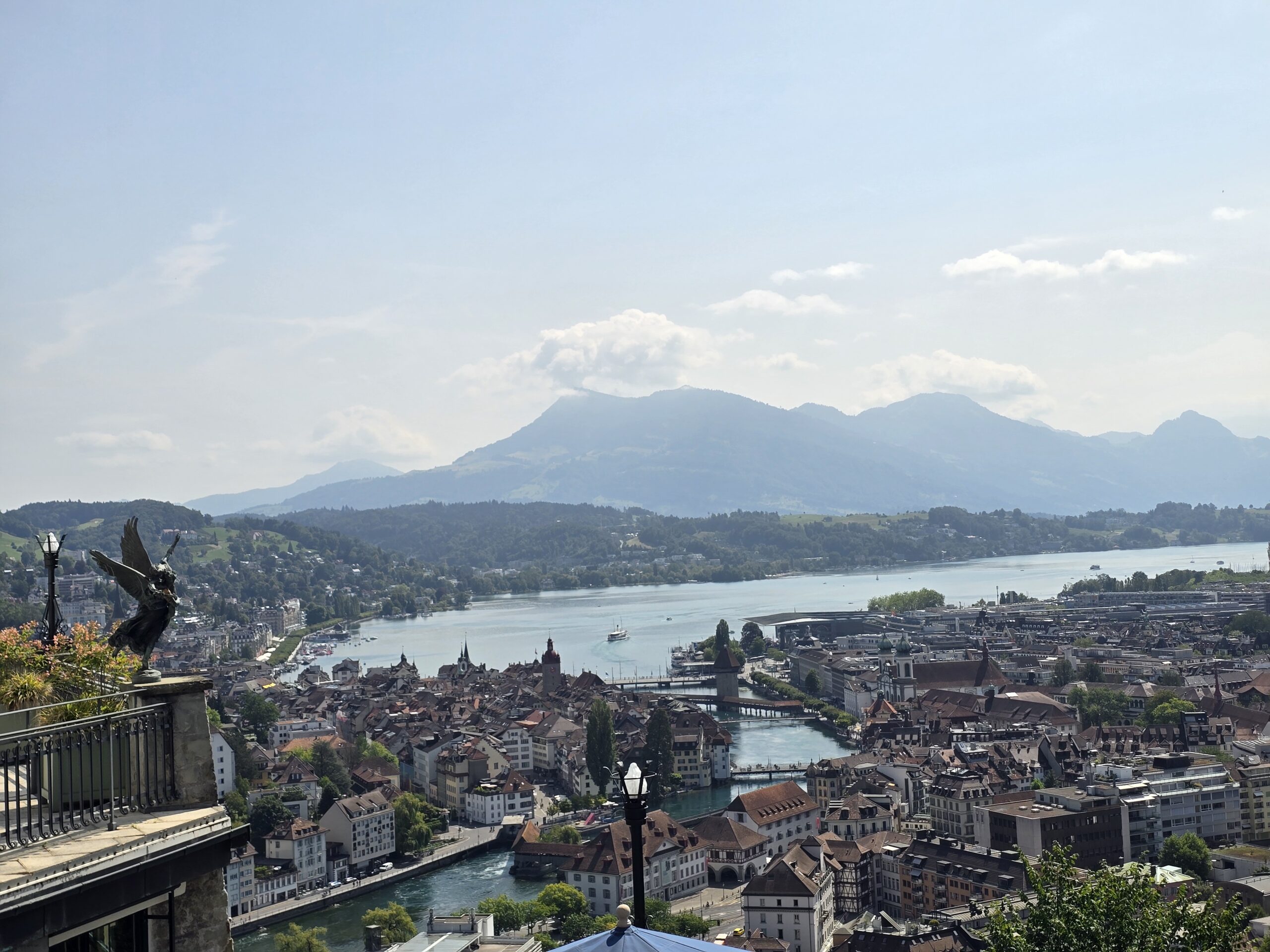
    Lucerne is a gem. We saw the Lion Monument — that famous carved lion — visited a few beautiful and genuinely interesting churches, and walked across the iconic wooden Chapel Bridge. Lunch was at a brewery right off the water, which was perfect on a warm day, and I tried a Switzerland cola that was a fun, tasty surprise. We wandered the town, grabbed a few (very touristy) souvenirs, and worked in some cupcakes and treats, because vacation.

    The old town of Lucerne, Switzerland, along the waterfront

    One honest note: we took a boat across the lake, and while it was beautiful, it functioned more as a way to get from A to B than a dedicated scenic cruise. Still lovely — just manage your expectations if you’re picturing a sightseeing boat.

    Up Mount Rigi

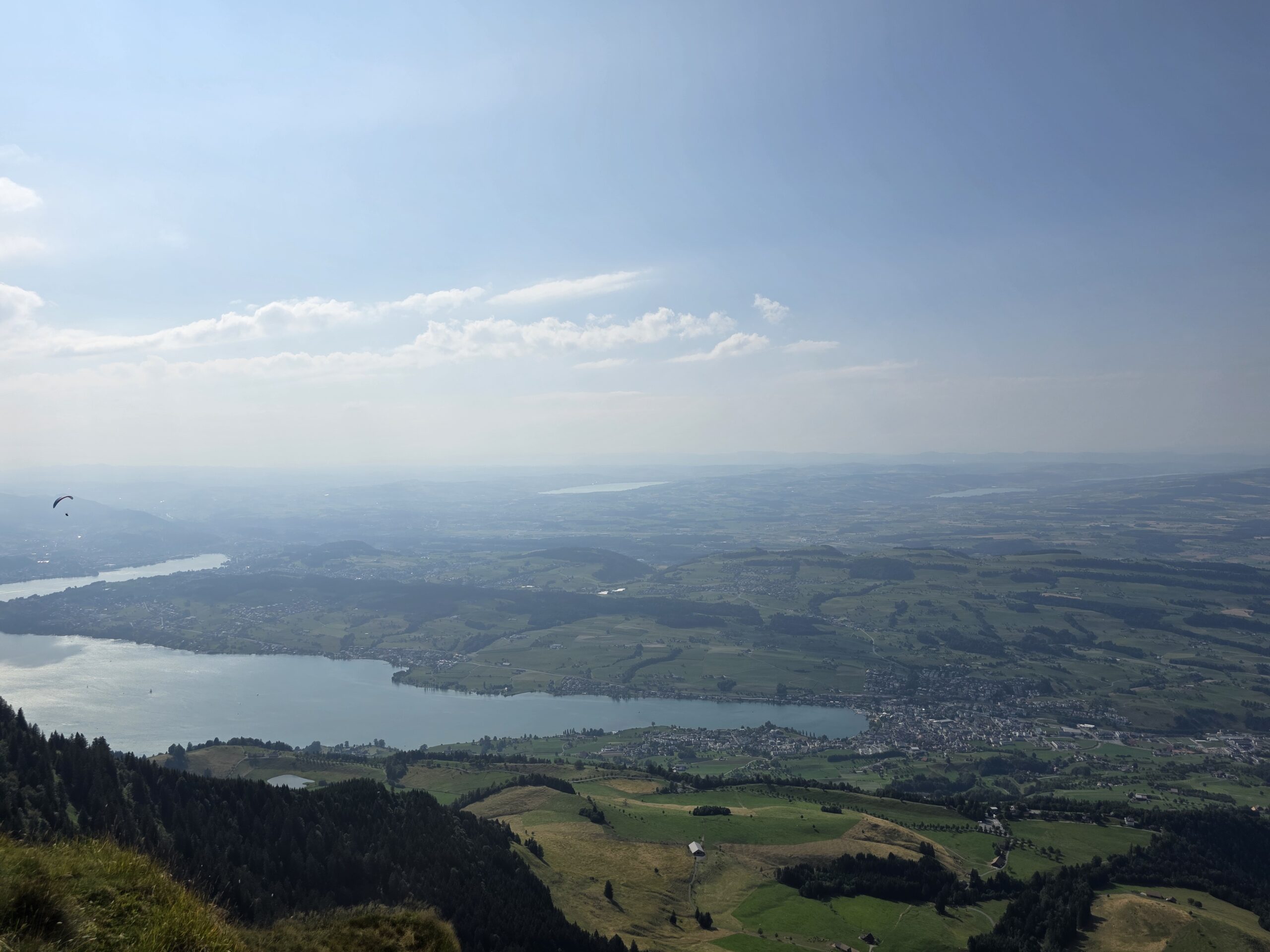
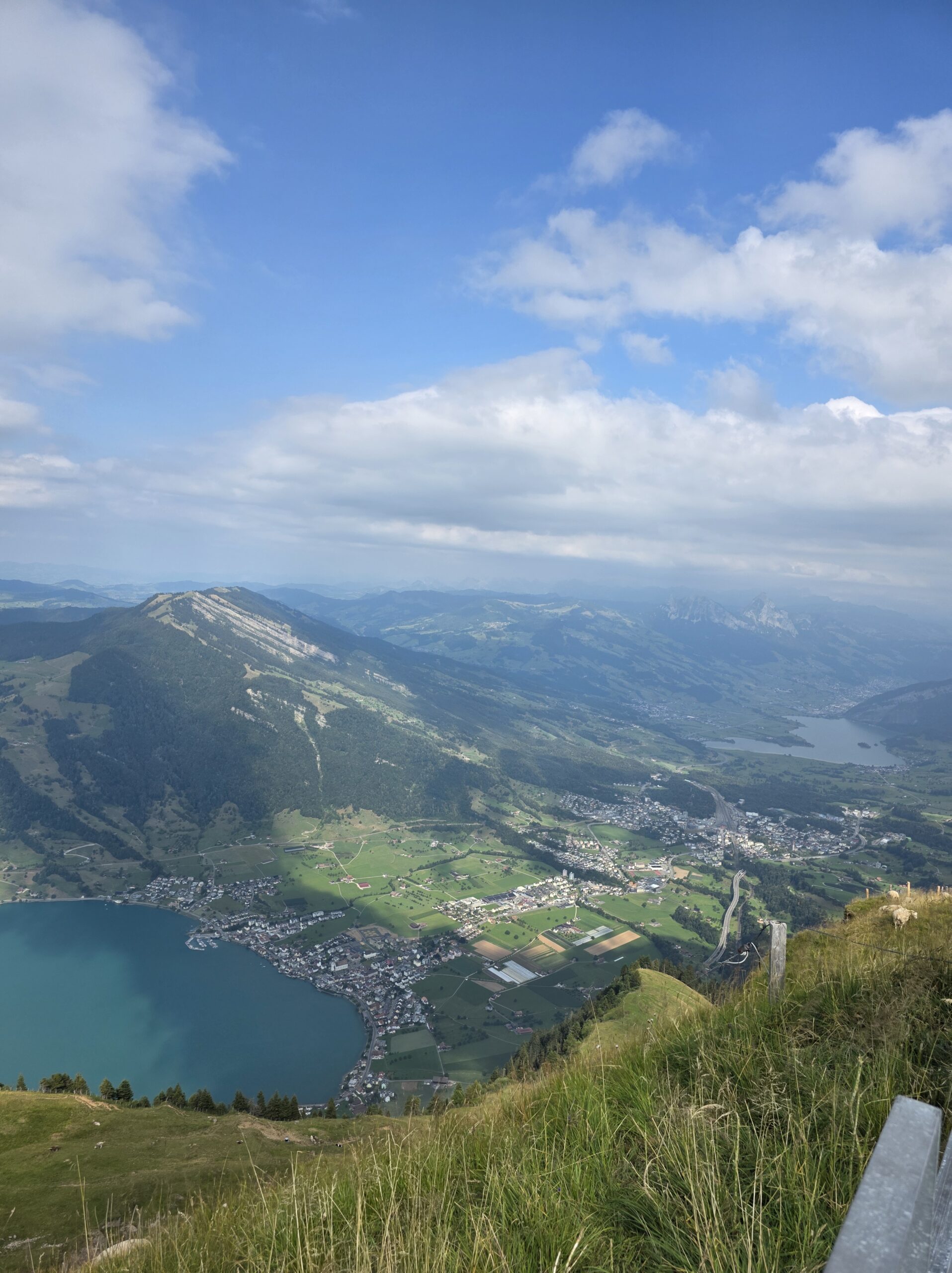
    Then came the showstopper. We took a gondola partway up Mount Rigi — I’ll be honest, it was a little horrifying for me, but absolutely beautiful — and then a train the rest of the way to the top. The view up there was, no exaggeration, the most beautiful we have ever seen.

    The view from the summit of Mount Rigi over the lakes and Alps of central Switzerland
    Walking paths and alpine scenery at the top of Mount Rigi, Switzerland

    One thing I really appreciated: at the top there’s a steep path and a more meandering one. We took the meandering route — still a decent incline, so don’t picture it flat — and it was absolutely worth it. Coming back down, we took the train, which was less frightening than the gondola, though a few of the drops still made me say oof.

    Our driver picked us up and took a scenic route back to the hotel to close things out — a stunning end to an amazing day. If you do one big Swiss adventure from Zurich, make it this one.

    Comfort tips: it’s cooler and breezier at the summit than down by the lake, so pack a light layer — and wear comfortable shoes for those inclines. The New Balance 1080 v15 handled the paths at the top easily. If heights aren’t your thing, know there’s some exposure on the gondola, but the cog train is the gentler way up and down.

    As an Amazon Associate, I earn from qualifying purchases. See my full Affiliate Disclosure for details.


    The final stop in A Summer Grand Tour of Belgium, Luxembourg, Alsace & Switzerland.

  • First Look at Zurich: A Relaxing Arrival Day by the Limmat

    First Look at Zurich: A Relaxing Arrival Day by the Limmat

    This post contains affiliate links. If you purchase through a link, I may earn a small commission at no extra cost to you. Full disclosure here.

    Zurich was our arrival into Switzerland, and we kept it deliberately low-key — a day to land, wander, and let the city set the tone. It turned out to be one of the easiest, prettiest arrival days of the whole trip.

    A slow wander along the Limmat

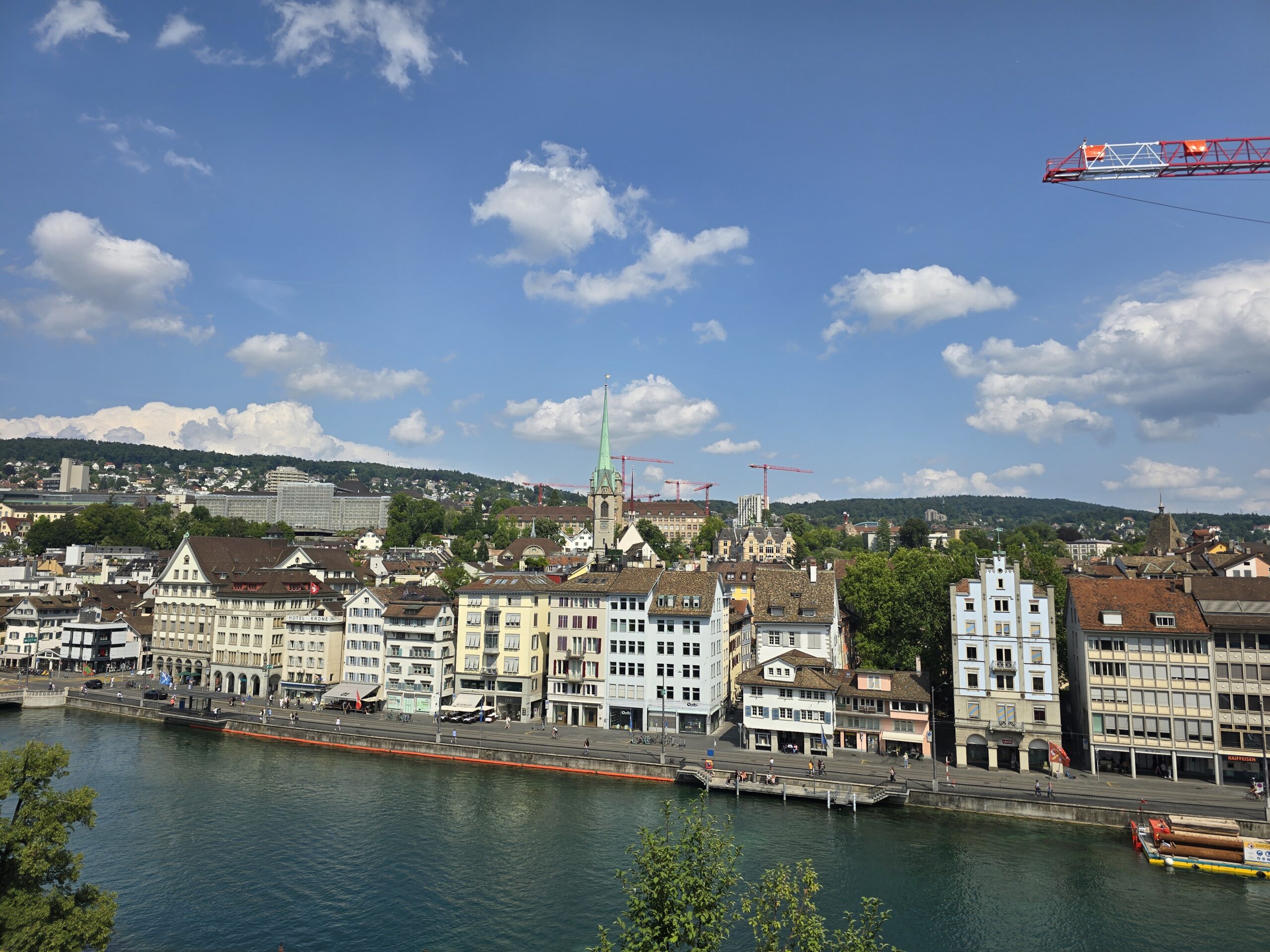
    After we were dropped off, we just started to explore on foot, and walking along the Limmat was beautiful. The whole riverfront invites a slow pace, which was exactly what we wanted after a travel day.

    Riverfront buildings along the Limmat in Zurich, Switzerland, on a summer afternoon

    The best surprise: watching people jump and flip off the bridges into the river. In summer, locals swim the Limmat like it’s the most normal thing in the world, and it looked like so much fun. My one regret of the day — we didn’t bring our swimsuits. Learn from me: if you’re visiting in warm weather, pack a suit so you can join in.

    The easy sights

    We wove past the classics — the shopping stretch of Bahnhofstrasse, the leafy Lindenhof lookout, the Grossmünster’s twin towers, and the lanes of the Niederdorf old town — with plenty of just-beautiful walking in between. The Lake Zurich promenade is a lovely place to slow down, and if you’re there on a Sunday, Sprüngli is a classic stop for something sweet.

    We paused for drinks along the way, and I had a delicious lemonade with mint and honey that I’m still thinking about. Mostly, this was a day to decompress and ease into Switzerland — exactly what we needed before the bigger adventure the next day.

    Where to actually buy your souvenirs

    Skip the dedicated souvenir shops. Some of the best gifts we brought home came from ordinary grocery stores — Coop and Migros are everywhere, and the chocolate, biscuits, and packaged specialties on those shelves are the same things people actually eat here, at prices that aren’t set for tourists. It’s the easiest way to bring home something Swiss without paying a premium for a paper bag with a cow on it.

    Two other spots worth knowing: Zurich Hauptbahnhof, the main train station, has a genuinely good spread of shops with plenty of variety, and the shops at Zurich Airport are better than the usual airport fare. Both are convenient if you’ve run out of time in the city, and the airport in particular is a fine last-minute rescue on your way out.

    One practical note if you’re carry-on only, as I was: think about what you’re buying before you buy it. Anything liquid or gel-like — jams, honey, liqueur-filled chocolates, spirits — has to go in a checked bag, and a Swiss Army knife won’t clear security no matter how nicely it’s boxed. Chocolate bars, biscuits, dried and packaged goods are all fine in a carry-on. If you know you’re checking a bag, you have far more freedom; if you’re not, buy after security or stick to the solid stuff.

    Comfort tip: in summer, tuck a swimsuit and a quick-dry towel in your day bag so you can jump in the Limmat with the locals — the regret of not having one is real. The Rainleaf microfiber travel towel is the one I pack: it’s compact, dries fast, and takes up almost no room in a carry-on.

    As an Amazon Associate, I earn from qualifying purchases. See my full Affiliate Disclosure for details.


    Part of A Summer Grand Tour of Belgium, Luxembourg, Alsace & Switzerland.

  • Strasbourg: Alsatian Charm, a Grand Cathedral, and a French Pharmacy Haul

    Strasbourg: Alsatian Charm, a Grand Cathedral, and a French Pharmacy Haul

    Strasbourg struck a really nice balance for us — big enough to feel like a proper city, but with all the half-timbered, canal-laced charm of Alsace. It’s a lovely place to slow down, shop a little, and eat very well.

    Where we stayed

    Our Marriott was in a perfect location, which made a real difference — we could walk out the door and be in the thick of it. In a city this walkable, a central base is worth prioritizing.

    The sights

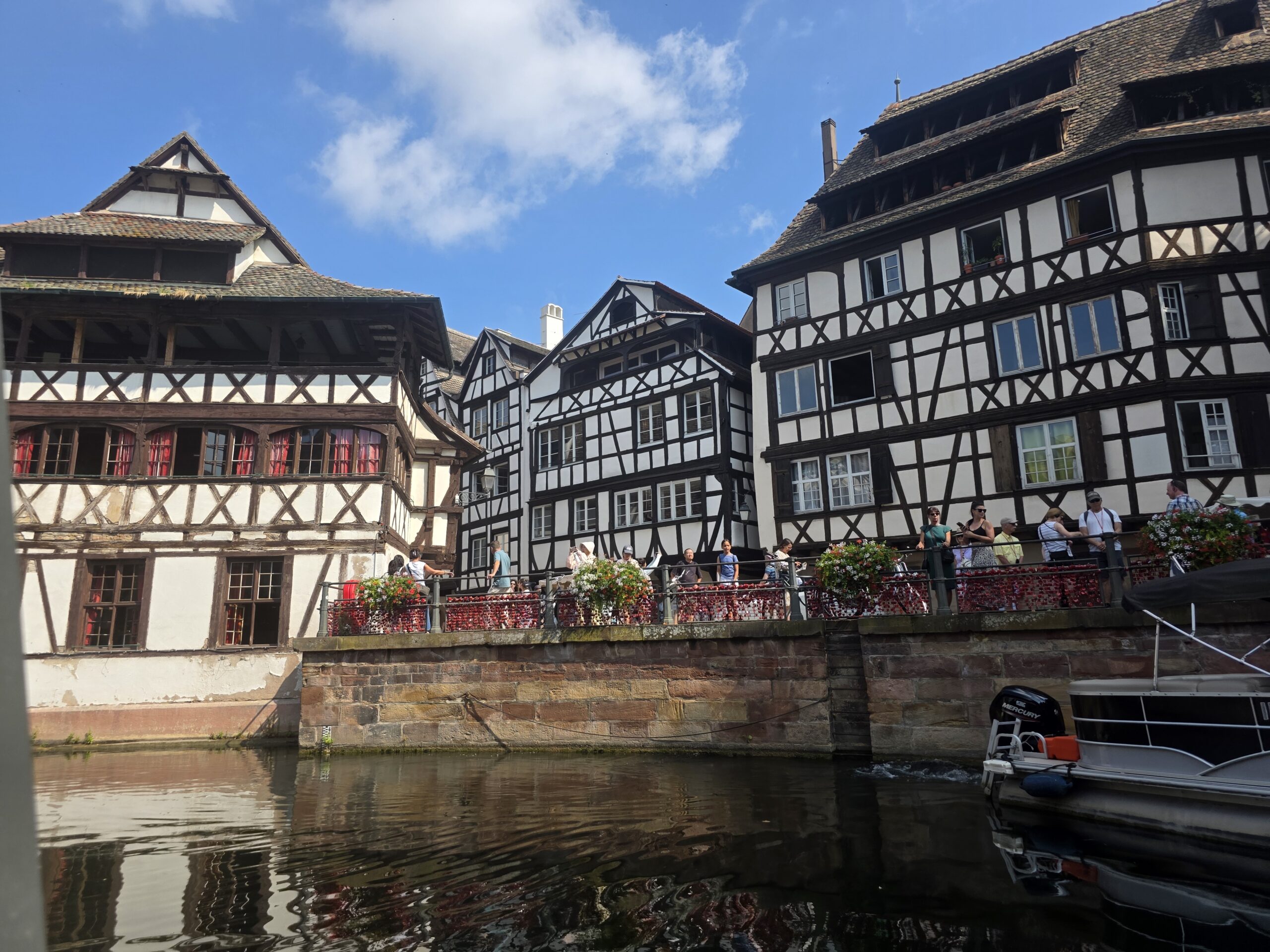
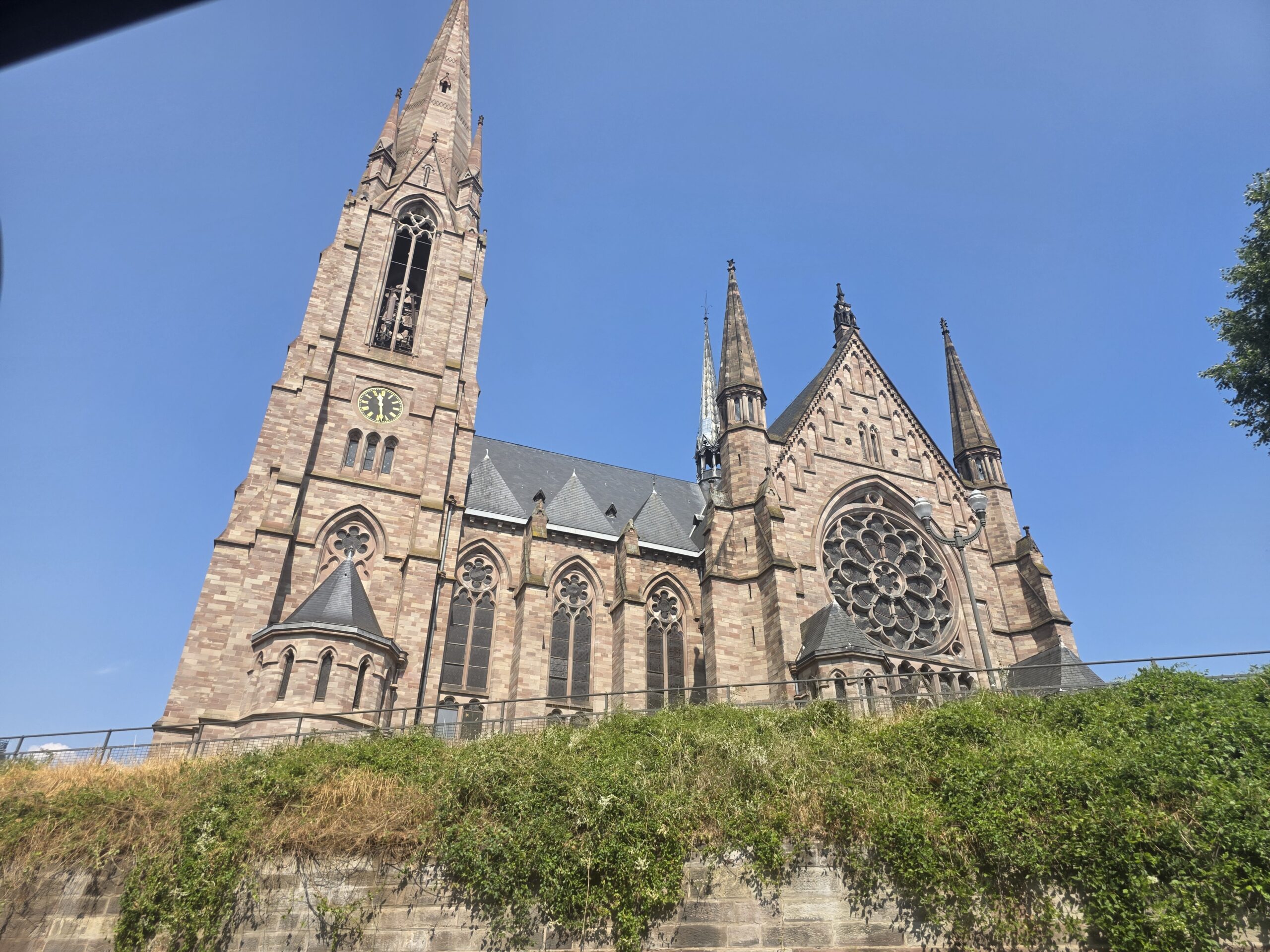
    The Strasbourg Cathedral is stunning and worth lingering at — the detail on the facade is something else. From there, La Petite France with its canals and the Ponts Couverts is the prettiest stretch to wander, and Place Kléber and the Palais Rohan round out the classics.

    Half-timbered houses along the canals of La Petite France in Strasbourg

    We also did the Batorama canal boat tour: I’ll be honest, I didn’t love it as much as some of the others we’d done — but the rest of my group said it was their favorite, so it’s clearly a your-mileage-may-vary thing and worth doing.

    View from the Batorama canal boat tour along the waterways of Strasbourg, France

    Eat, drink, and reserve ahead

    The food was a highlight — the frittatas were well worth trying, and the region’s wines are genuinely excellent. We had lunch at La Corde à Linge, and my tip is simple: you can reserve, so do it. It saves you standing around at the busiest time of day.

    One more must for skincare lovers

    If you love a good skincare find, save some time (and suitcase space) for a French pharmacy. I did a proper haul at the Pharmacie de l’Homme de Fer right in the center of Strasbourg — the sunscreen alone was worth it. It turned into enough of a thing that I gave it its own post: my full French pharmacy haul, and how to shop one carry-on-friendly.


    Part of A Summer Grand Tour of Belgium, Luxembourg, Alsace & Switzerland.

  • Luxembourg to Strasbourg: A Fairytale Castle and the Storybook Town of Colmar

    Luxembourg to Strasbourg: A Fairytale Castle and the Storybook Town of Colmar

    This post contains affiliate links. If you purchase through a link, I may earn a small commission at no extra cost to you. Full disclosure here.

    The drive from Luxembourg down to Strasbourg is a destination in itself if you build in the right stops. We had a private driver for this leg, which let us break it up with a hilltop castle and one of the prettiest towns in Alsace. Here’s how it went.

    Château du Haut-Kœnigsbourg

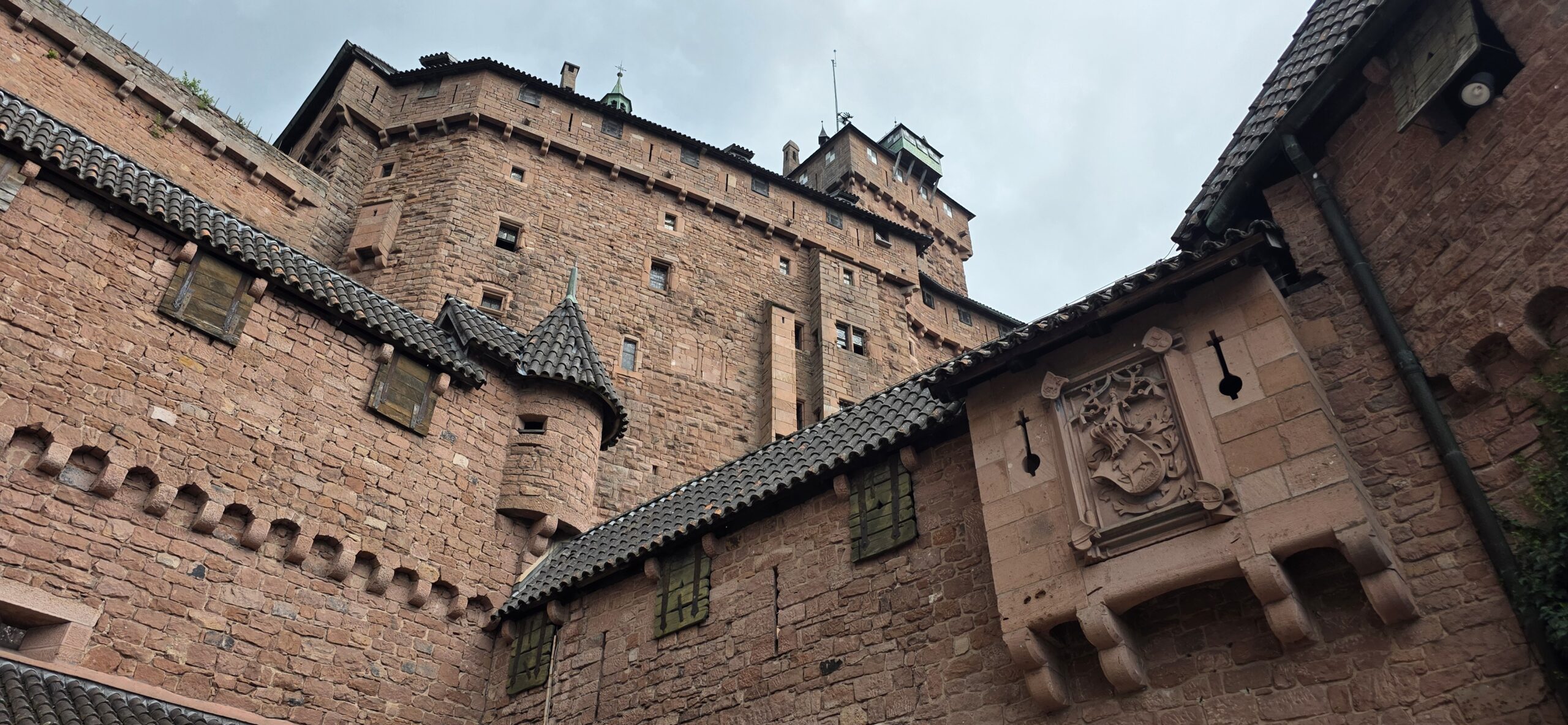
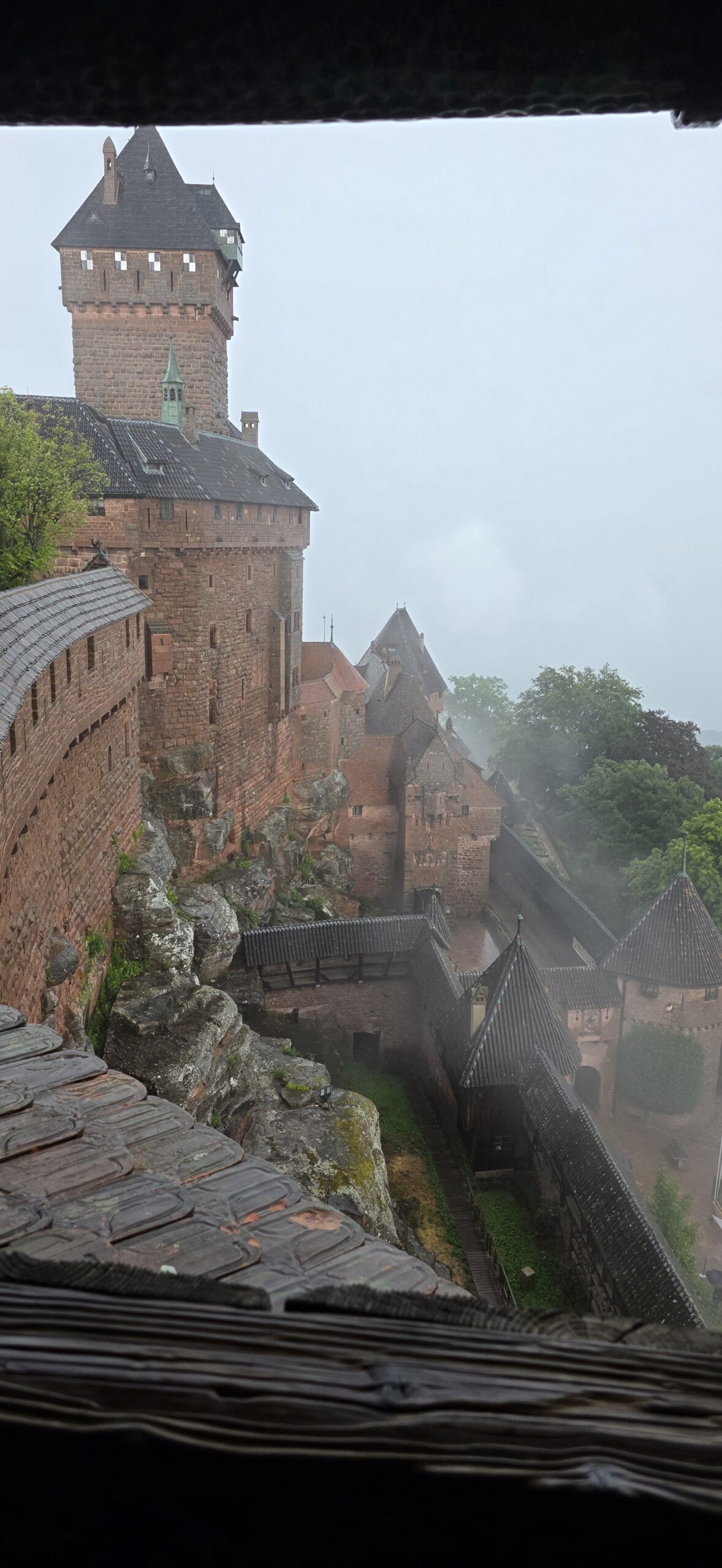
    This restored medieval château sits high above the Alsace plain, and the views from the top are stunning. One honest heads-up: there are a lot of stairs. It rained while we were there, which made the stone a bit slippery, so if stairs or uneven footing are uncomfortable for you, this may be one to admire from below rather than climb. If you’re up for it, though, it’s a genuinely memorable stop.

    View over the Alsace plain from Château du Haut-Kœnigsbourg on a rainy summer afternoon

    Colmar (I wish we’d had more time)

    Colmar was absolutely stunning — the kind of place I wish we’d given a full day. The half-timbered architecture and the canals of La Petite Venise are beautiful to simply arrive and walk through, no agenda needed. The old town around Maison Pfister and the Koïffhus is dense with restaurants, shops, and little eateries, and it’s well worth wandering off the main drag to find the quieter, equally pretty corners.

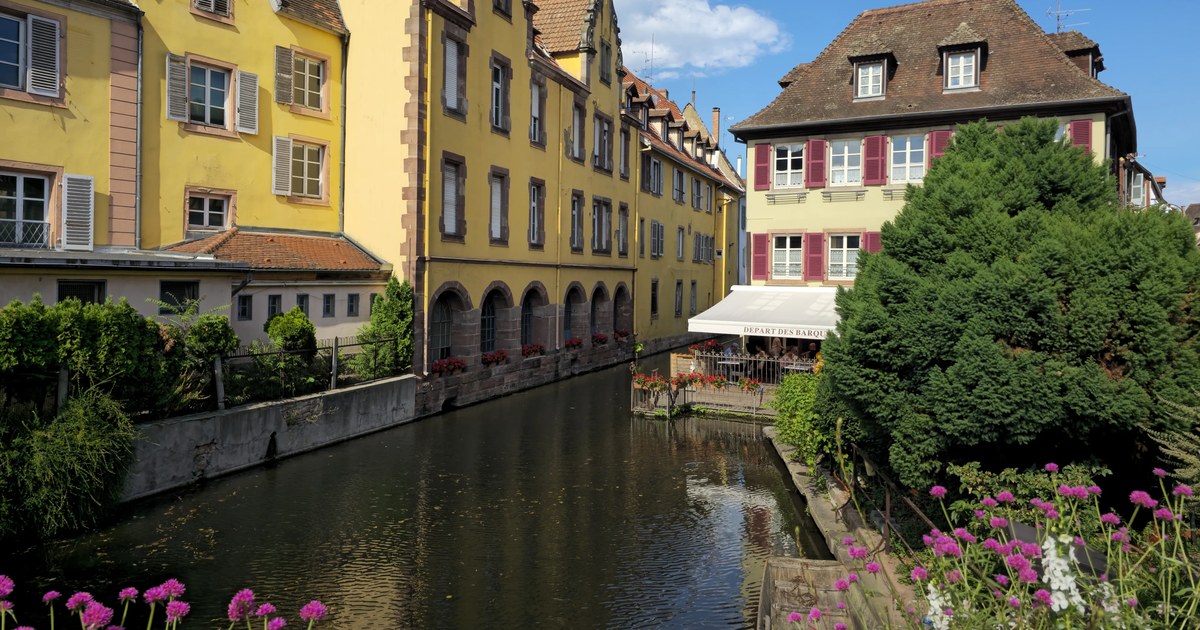
    Half-timbered buildings in the old town of Colmar in the Alsace region of France

    The rain had held off by the time we arrived and actually cooled things down, so we got beautiful weather for it. Don’t miss the Marché Couvert (covered market) if you’re there at the right time — it’s a lovely spot to graze.

    The takeaway

    If you’re routing between Luxembourg and Strasbourg, these two stops turn a transfer day into one of the prettiest days of the trip. If I could redo it, I’d shave time somewhere else and give Colmar a proper afternoon — it earns it.

    Comfort tips: grippy, closed-toe shoes for those castle stairs — especially if it’s wet — and something for the rain, because Alsace weather can turn on you mid-visit. I wore the New Balance 1080 v15 and keep the BAODINI mini travel umbrella in my day bag — it’s tiny, fits in a purse, and doubles as excellent sun protection on the hot days.

    As an Amazon Associate, I earn from qualifying purchases. See my full Affiliate Disclosure for details.


    Part of A Summer Grand Tour of Belgium, Luxembourg, Alsace & Switzerland.

  • A Leisurely Day in Luxembourg City

    A Leisurely Day in Luxembourg City

    This post contains affiliate links. If you purchase through a link, I may earn a small commission at no extra cost to you. Full disclosure here.

    Luxembourg City surprised me. It’s compact, walkable, and packed with more beauty than its size suggests — dramatic cliffs, a storybook lower town, and enough cafes and shops to fill a relaxed, wandering kind of day.

    The sights worth your time

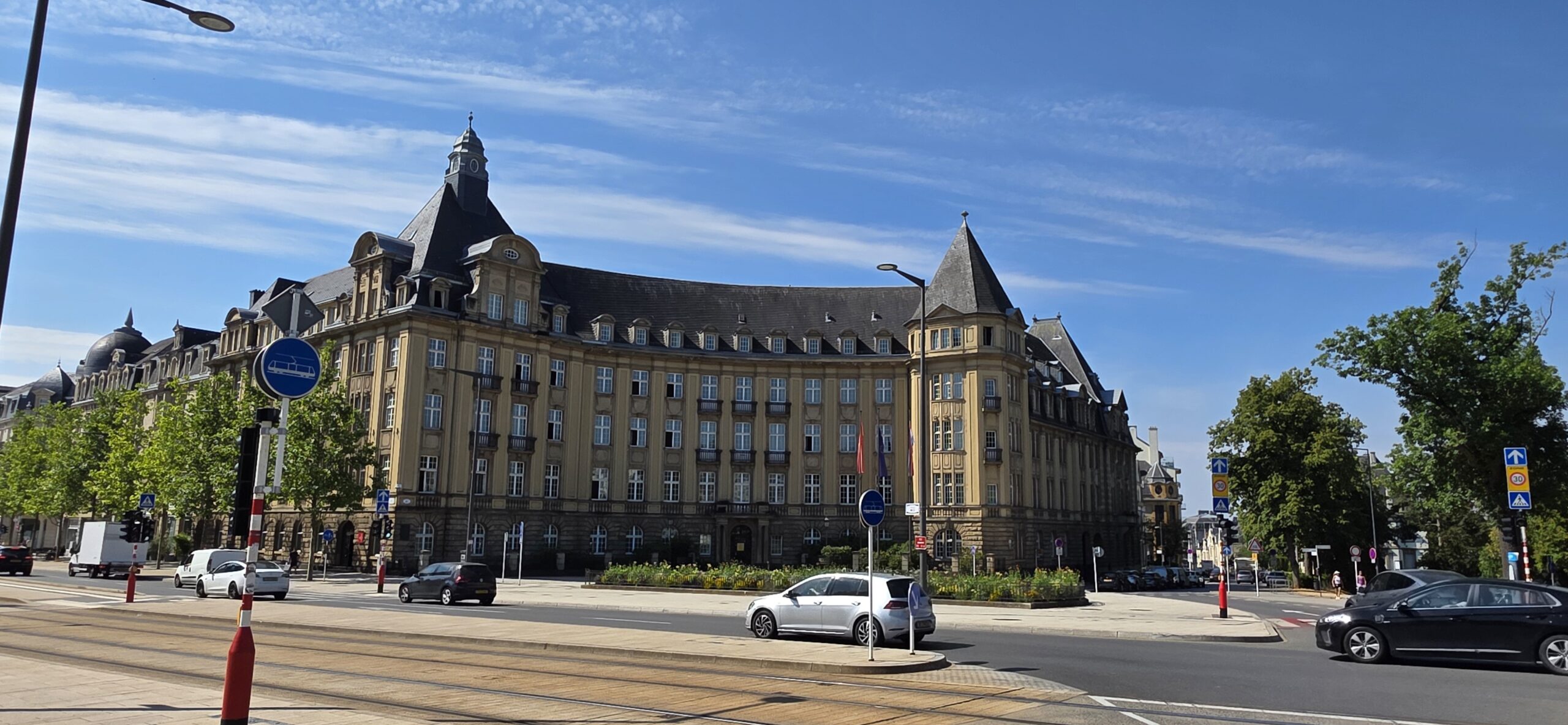
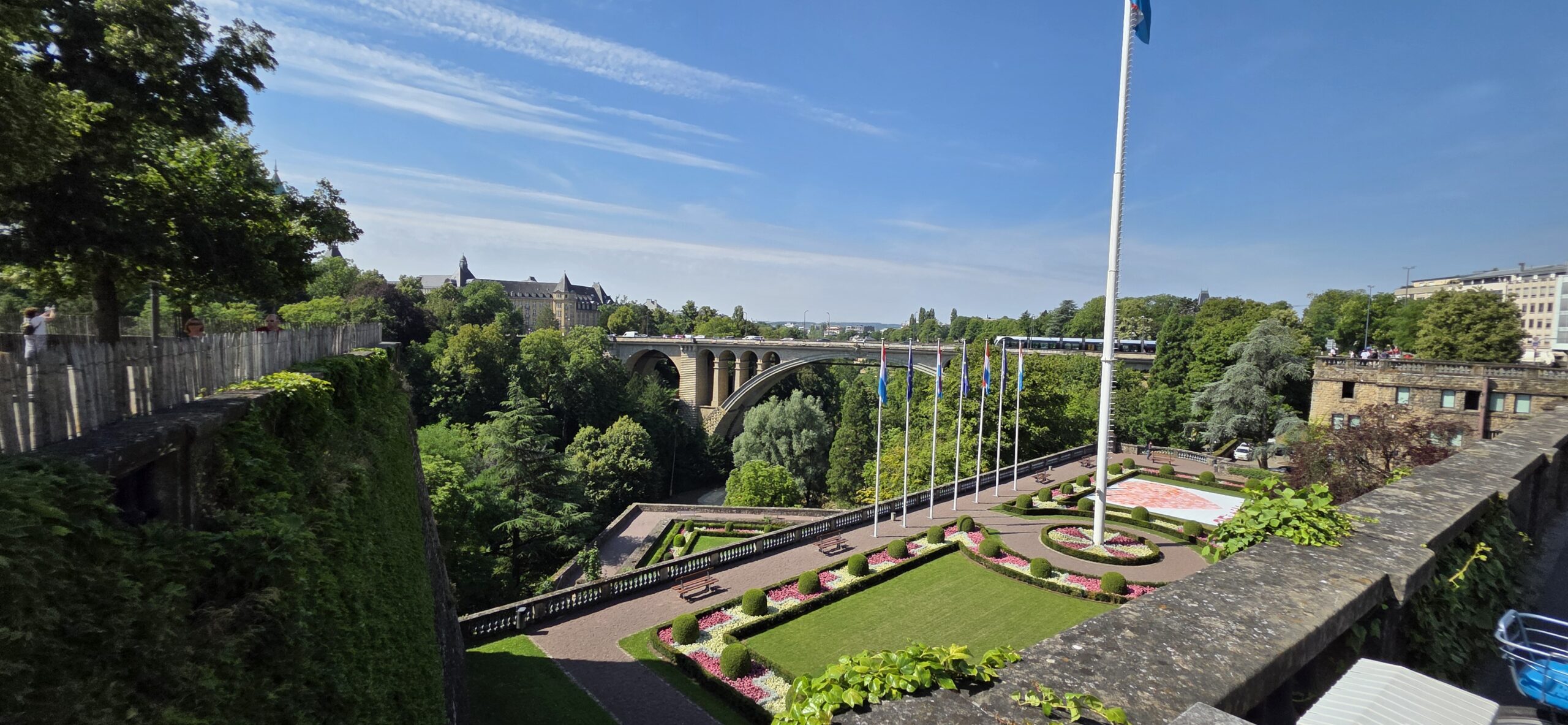
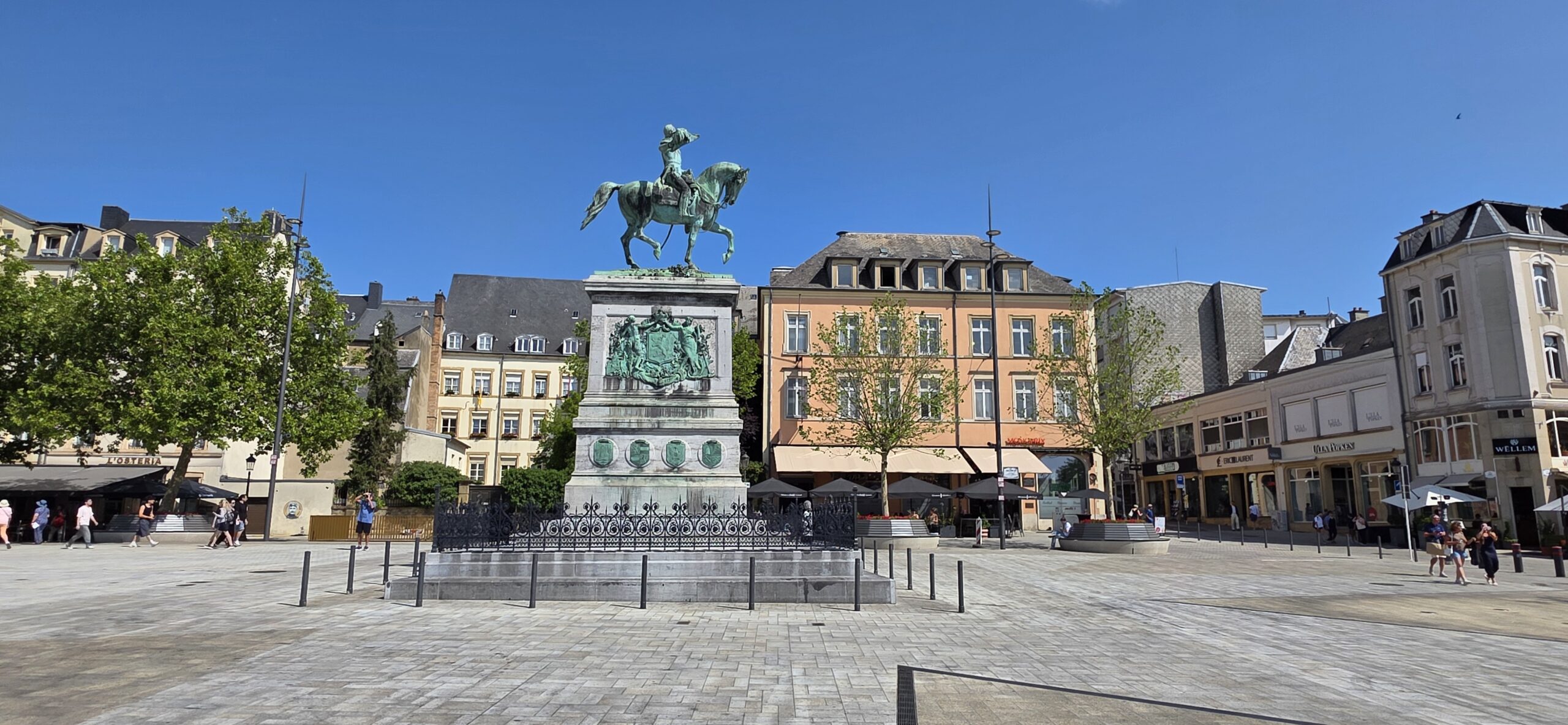
    Start up top around Place d’Armes and the Grand Ducal Palace, then make your way to Place de la Constitution for the Gëlle Fra monument and the views. The Chemin de la Corniche — often called the most beautiful balcony in Europe — is the walk to prioritize; it looks down over the valley and the lower town.

    View from the Chemin de la Corniche in Luxembourg City, looking down over the valley and the lower town
    Clifftop views over Luxembourg City on a summer walking day

    A tip for first-timers: a free walking tour goes a long way here. I’d been before, so I played guide for the rest of our group, but if it’s your first visit a good tour ties the history together nicely.

    Historic buildings and streets in the old town of upper Luxembourg City

    Head down to the Grund

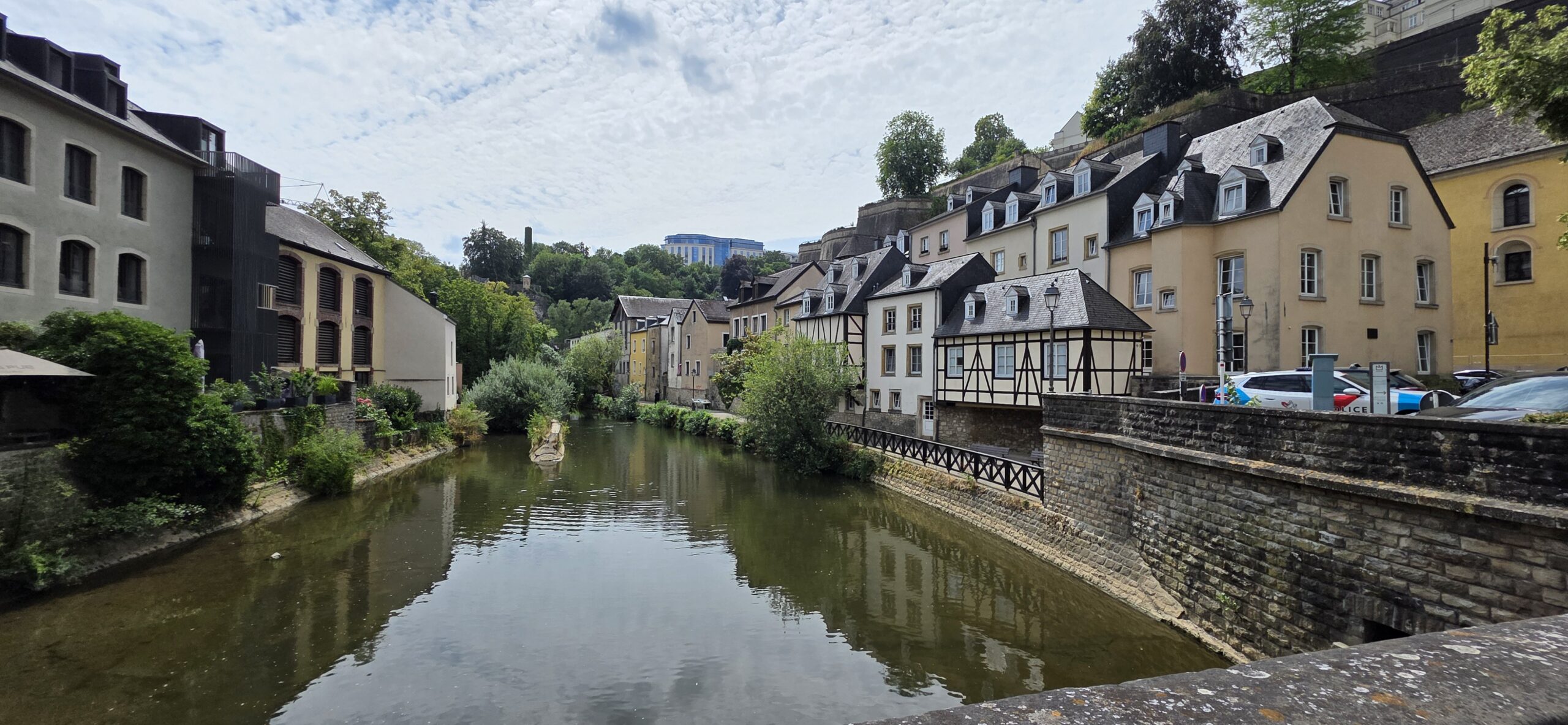
    Don’t skip the Grund, the lower town along the river. It’s charming down there, and Scott’s Pub had an excellent view to go with some cold drinks — a perfect afternoon pause.

    The Grund, Luxembourg City's lower town, sitting along the river beneath the cliffs

    One very practical note: getting back up from the Grund is no joke. The roads themselves are seriously steep, so use the free public elevator or the designated walking path instead of grinding up the streets. Your legs will thank you.

    Our kind of day

    We kept this one leisurely — sights, yes, but also stops to shop, duck into a few cafes, and enjoy an adult beverage or two. Luxembourg rewards that unhurried pace, and it makes a great base for a day trip to Trier just across the German border.

    Comfort tip: between the steep streets and the cliff-top paths, this is a shoes-that-grip kind of city. Save the cute-but-slippery pair for dinner. I relied on the New Balance 1080 v15 here — the steep bits are much friendlier with real traction underfoot.

    As an Amazon Associate, I earn from qualifying purchases. See my full Affiliate Disclosure for details.


    Part of A Summer Grand Tour of Belgium, Luxembourg, Alsace & Switzerland.

  • A Day Trip to Trier: Germany’s Oldest City, Straight from Luxembourg

    A Day Trip to Trier: Germany’s Oldest City, Straight from Luxembourg

    This post contains affiliate links. If you purchase through a link, I may earn a small commission at no extra cost to you. Full disclosure here.

    If you’re basing yourself in Luxembourg City, Trier is one of the easiest day trips you can add to your itinerary — and one of the most rewarding if you love Roman history and pretty German squares without the tourist crush.

    Getting there

    The train from Luxembourg drops you right at Trier Hauptbahnhof, and the whole trip is genuinely simple — no connections to stress over. I’ll be honest: stepping off the train, the area right around the station felt a little sketchy, and we weren’t totally sure what to expect. Don’t let that first impression put you off. About a ten-minute walk in, the city opens up and the beauty starts to show itself.

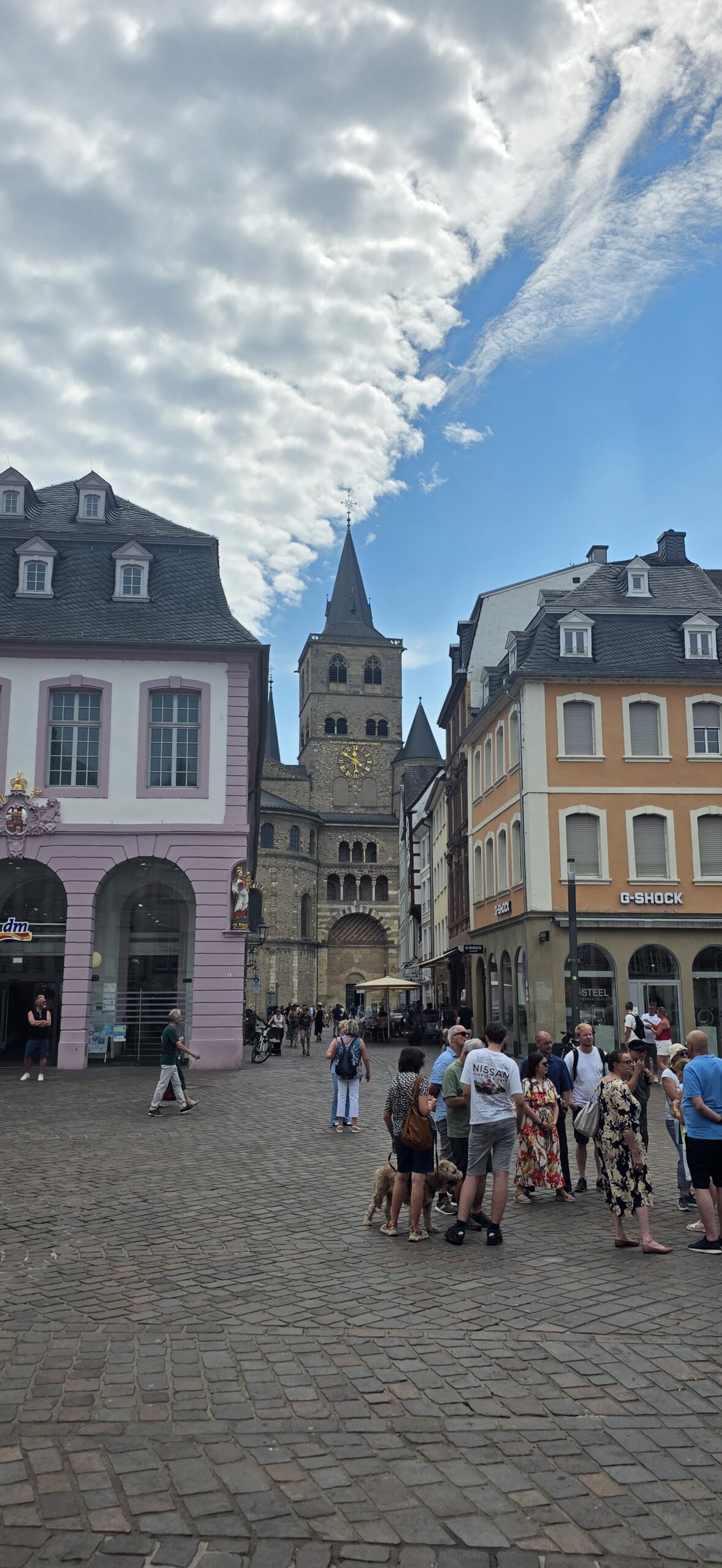
    Colorful gabled houses around the market square in Trier

    What we saw

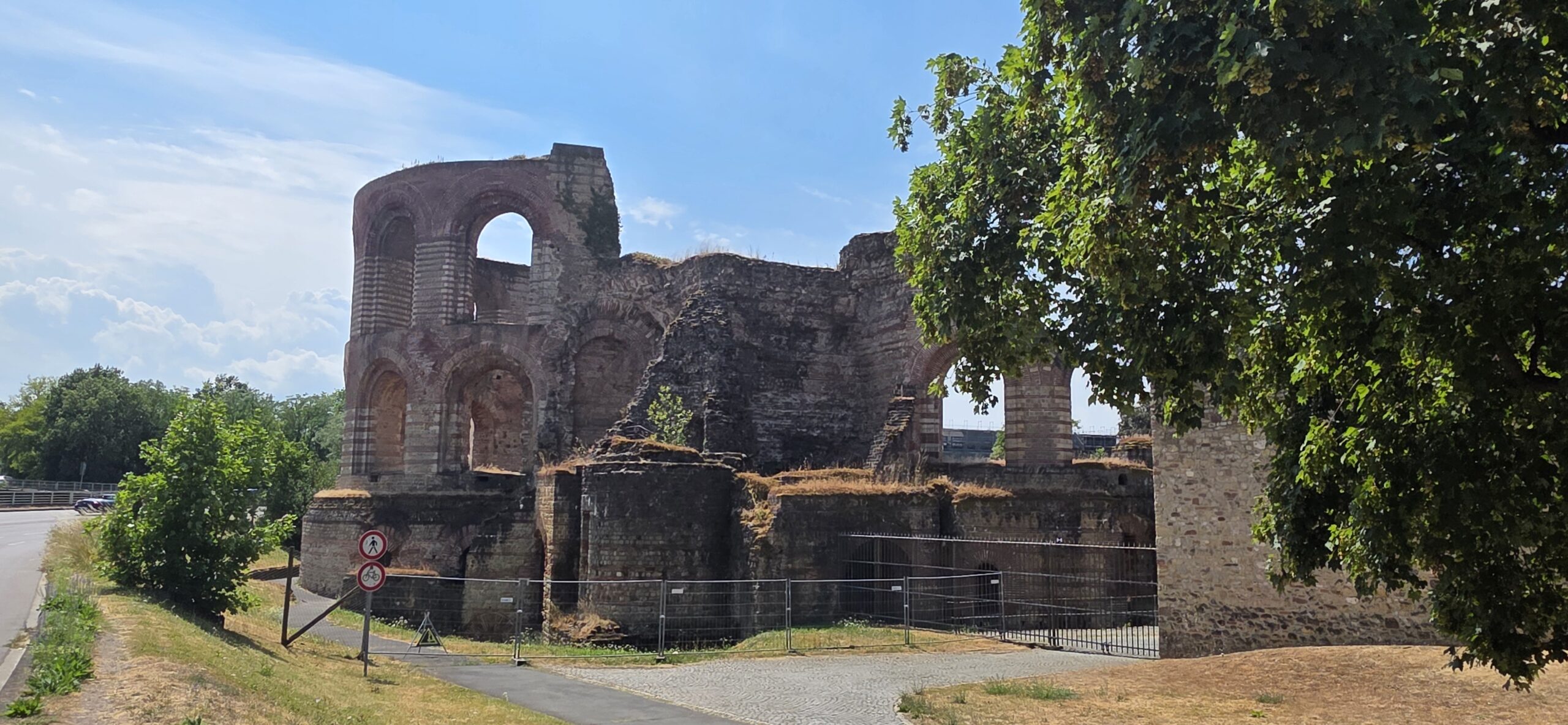
    Trier wears its Roman history on its sleeve, and the monuments are genuinely cool to see in person — the Porta Nigra especially. The old market square (Hauptmarkt), the cathedral, and the architecture around town made for a really fun wander, and the shopping was better than I expected. Those core sights sit fairly close together, so it’s an easy stroll from one to the next.

    Where the distances start to add up is getting out to the Roman amphitheater. It sits a good 15-to-20-minute walk from the Hauptmarkt and the main shopping streets, off on its own edge of the center — so tacking it on after a morning of wandering is more of a trek than the map makes it look.

    Which brings me to my most practical tip: there’s a real spread between some of the sights, so we ended up doing the hop-on-hop-off bus — and it was completely worth it. It let us reach the amphitheater and a few extra spots without piling miles onto our step count, which on a hot day made a real difference.

    Exterior ruins of the Roman Imperial Baths in Trier, surrounded by trees

    A few honest notes

    It was hot the day we visited, so we stopped for a drink partway through — a cold beer for part of our group, and I had a Granini juice topped with sparkling water, which was ridiculously refreshing and something I’d order again in a heartbeat.

    Cold glass of German beer on a table in Trier

    One thing I appreciated: without the Christmas markets in full swing, Trier didn’t feel especially touristy. It felt like a real, lived-in German city that just happens to be beautiful. Lunch was a proper German spread and hit the spot.

    Is it worth it?

    Yes — easily. If you’re in Luxembourg and want a low-effort day trip that delivers history, good food, and a change of scenery, Trier is a great pick.

    Comfort tip: this is a walking-heavy day even with the bus, so wear shoes you already trust and bring water — it gets warm in summer. My go-to travel bottle is the Owala FreeSip insulated 24 oz, and I wore the New Balance 1080 v15 for the extra cushioning on a high-step day.

    As an Amazon Associate, I earn from qualifying purchases. See my full Affiliate Disclosure for details.


    Next up: Luxembourg City →

    Part of A Summer Grand Tour of Belgium, Luxembourg, Alsace & Switzerland.

  • Durbuy & Dinant: The Prettiest Stops Between Brussels and Luxembourg

    Durbuy & Dinant: The Prettiest Stops Between Brussels and Luxembourg

    This post contains affiliate links. If you purchase through a link, I may earn a small commission at no extra cost to you. Full disclosure here.

    We were lucky enough to have a private driver for the leg between Brussels and Luxembourg, which meant we could break up the drive with a couple of stops instead of powering straight through. If you’re planning the same route — with a driver or your own car — here are the two we chose, and my honest take on each.

    Durbuy

    Durbuy gets billed as one of the smallest towns around, and it’s cute and quaint in exactly the way you’d hope. That said, I’ll be straight with you: it’s very small, with just a handful of shops, and nothing that made me stop in my tracks. It’s a lovely leg-stretch and good for a photo or two, but I wouldn’t build a whole day around it.

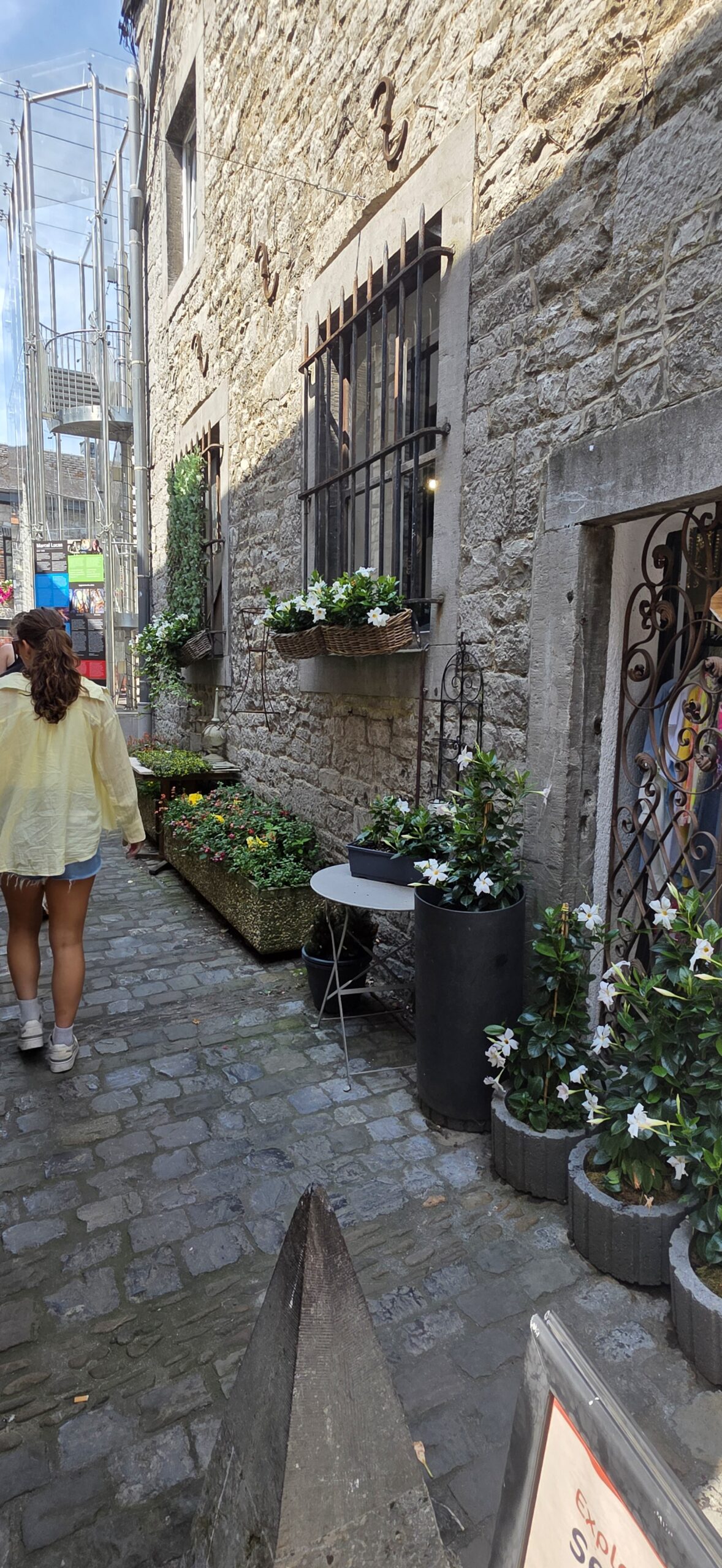
    Narrow cobbled street lined with flower boxes in the old town of Durbuy

    Dinant

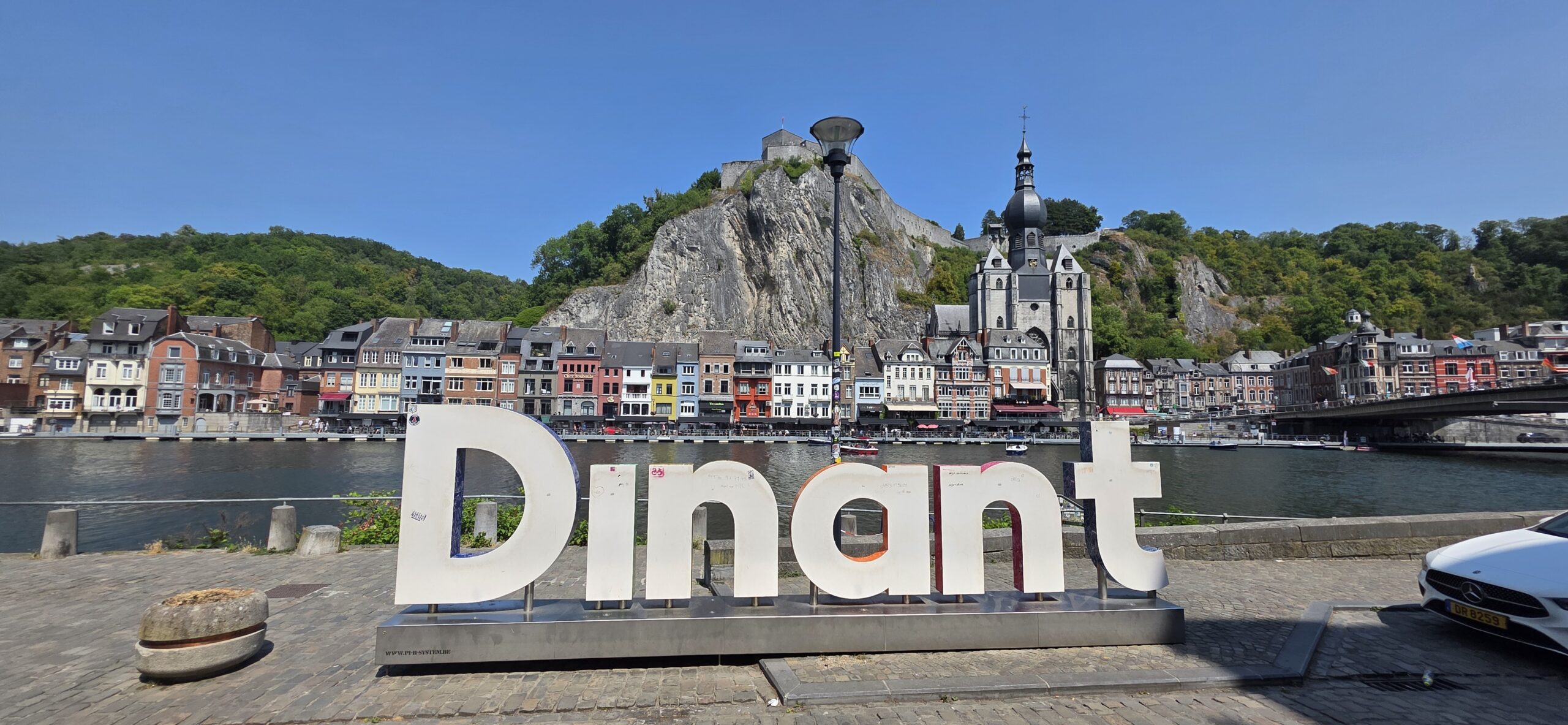
    Dinant, on the other hand, was a highlight. The setting along the water is stunning, and there’s a real cluster of restaurants (plus a few shops), which makes it a perfect place to stop for lunch.

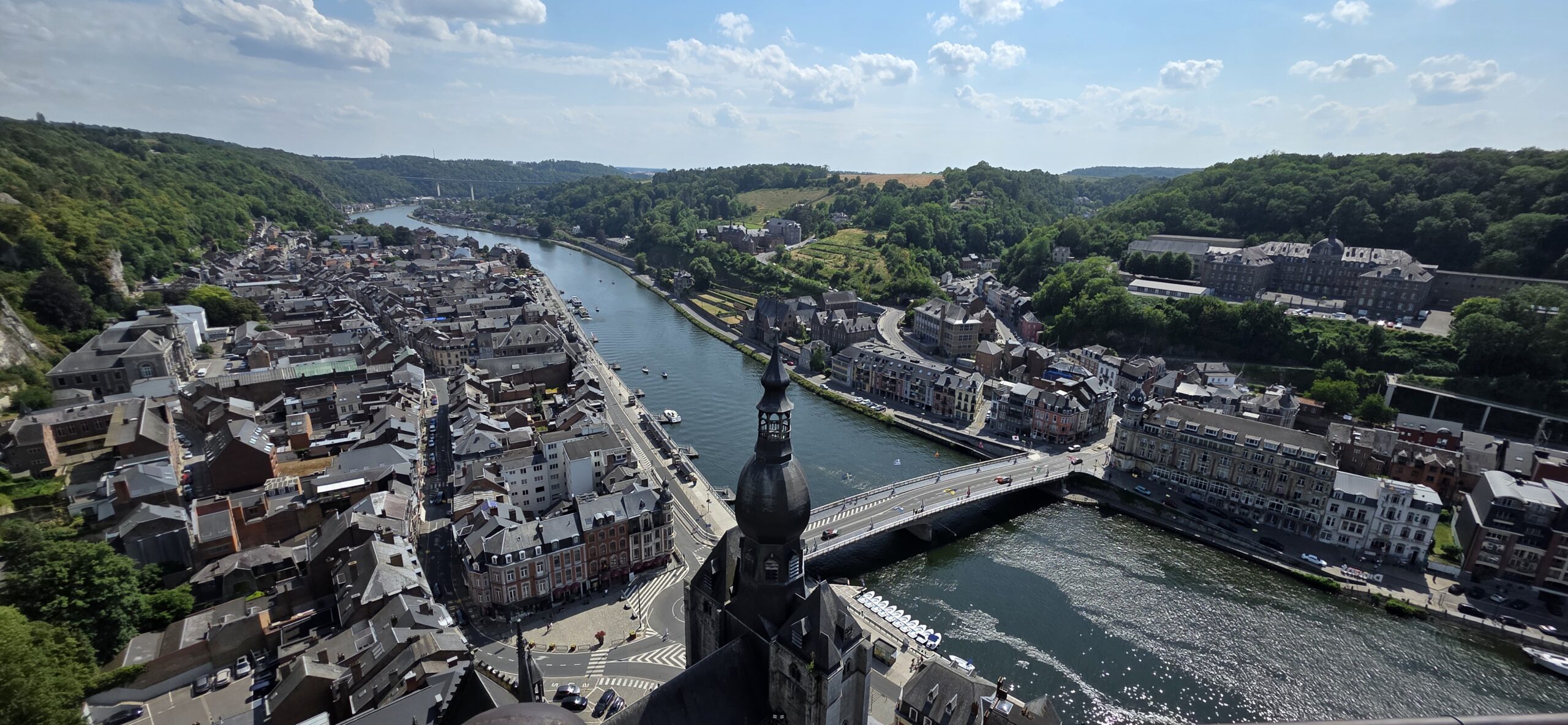
    Dinant seen across the Meuse, with the collegiate church and clifftop citadel

    The saxophone bridge was such a fun surprise — Dinant is the birthplace of Adolphe Sax, the inventor of the saxophone, and the bridge is lined with colorful sax sculptures. Walking across it was genuinely beautiful and just really cool, and there are some great photography spots here if you like to capture your trips.

    The Meuse river winding between limestone cliffs in the Belgian Ardennes

    We also grabbed a gelato and wandered down along the river with it — honestly one of the best ways to cool off in the summer heat while soaking up the views. Little moments like that are what made Dinant so easy to love.

    We also went up to the citadel. Here’s my honest opinion: unless you’re really into history, I’m not sure it’s worth the fee just for the view. The view is beautiful — but you can enjoy plenty of Dinant’s charm from the ground for free. Still, the town as a whole is absolutely worth the stop.

    The takeaway

    If you’ve got a driver or a car between Brussels and Luxembourg, skip the straight shot. Durbuy is a quick, charming pause, and Dinant is well worth a proper lunch stop and a wander.

    Comfort tip: both towns involve some uneven, hilly walking, so easy shoes make this a lot more enjoyable — and a crossbody keeps your hands free for photos. I wore the Skechers GO Walk Flex slip-in sandals and carried the Baggallini Securtex Anti-Theft Daytripper Sling.

    As an Amazon Associate, I earn from qualifying purchases. See my full Affiliate Disclosure for details.


    Part of A Summer Grand Tour of Belgium, Luxembourg, Alsace & Switzerland.

  • Ghent: Belgium’s Underrated Canal City

    Ghent: Belgium’s Underrated Canal City

    This post contains affiliate links. If you purchase through a link, I may earn a small commission at no extra cost to you. Full disclosure here.

    Ghent often gets overshadowed by Bruges, and while Bruges did win my heart, Ghent was absolutely worth the visit. It has a completely different feel — bolder, a little grittier, with its own gorgeous canal and a very different style of architecture.

    Getting there — and skip the walk

    Ghent is an easy morning train from Brussels — the same line as Bruges, just an earlier stop. Here’s the one thing I’d do differently: from the station, take the tram into the city center. We decided to walk it, hoping the route would be scenic, and honestly it wasn’t worth the steps or the effort. The tram is cheap, quick, and gets you to the good part faster. Learn from my mistake.

    Stone gatehouse and battlements of Gravensteen castle in Ghent, flags flying

    What we saw

    The waterfront along Graslei and Korenlei is the postcard shot, and the medieval Gravensteen castle anchors the old center. St. Bavo’s Cathedral (Sint-Baafskathedraal) is home to the famous Ghent Altarpiece and worth stepping inside. We also did the canal cruise here — it was great, though I’d say it edges out just behind Bruges for me. Different architecture, still very beautiful.

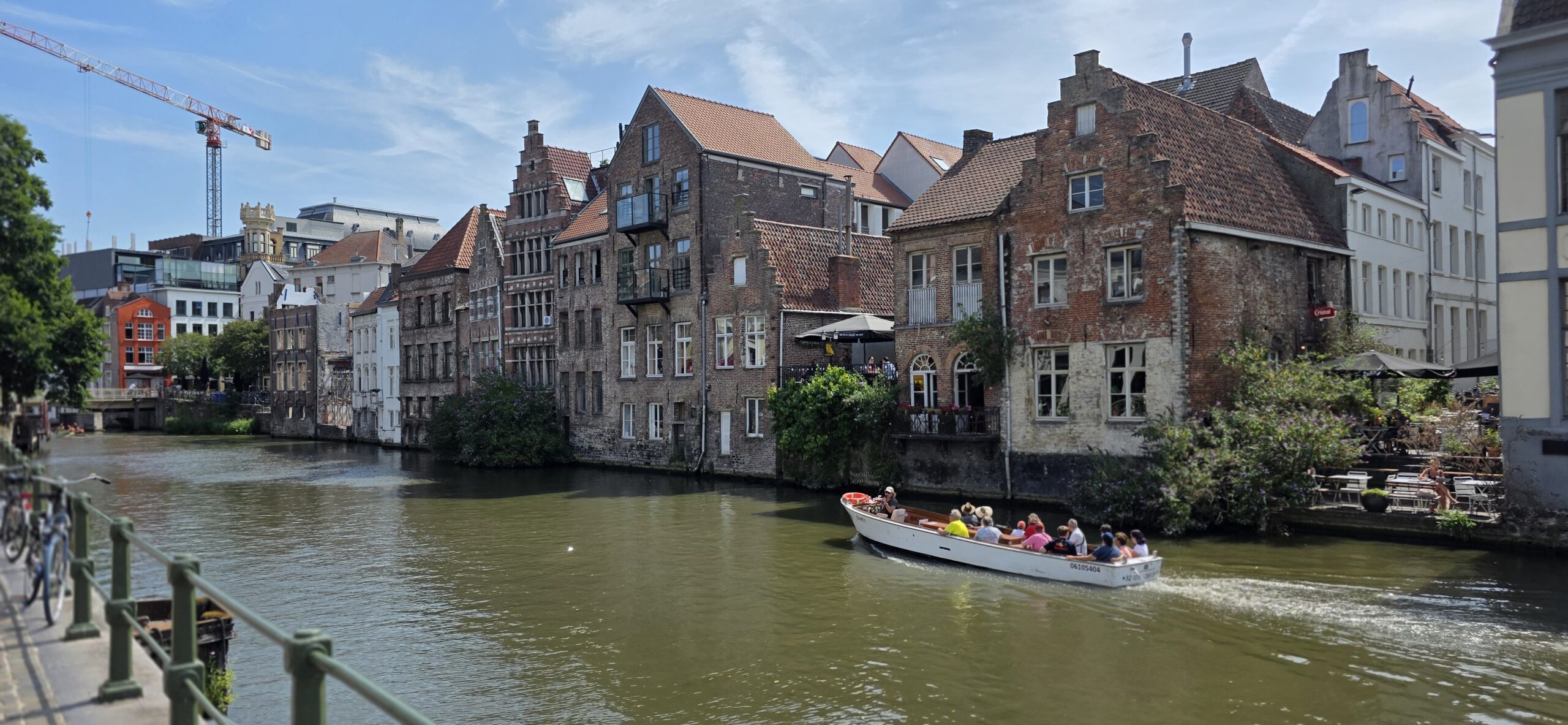
    Medieval guild houses lining a canal in Ghent with a tour boat passing

    One local sweet to try: cuberdons, the little cone-shaped candies. Fair warning — they are very sweet. And if beer is more your thing, Artevelde is brewed right here in Ghent.

    Glass of Artevelde Belgian ale on a table in Ghent

    One thing to check before you go

    Our one downside was timing: the city was setting up for the Ghent Festivities (Gentse Feesten), which meant a fair amount of construction and stage rigging around the center. If you want Ghent at its prettiest and least cluttered, it’s worth checking the festival dates (usually mid-July) before you lock in your day trip.

    Is it worth it?

    Yes. I enjoyed Bruges more overall, but Ghent earns its spot — pair the two on separate days from a Brussels base and you get two very different, very beautiful sides of Belgium.

    Comfort tip: even with the tram, it’s a walking day on cobbles and canal-side paths. I alternated between the Skechers GO Walk Flex slip-in sandals (unbeatable on cobblestone, and easy to rinse off) and the New Balance 1080 v15 for extra cushioning.

    As an Amazon Associate, I earn from qualifying purchases. See my full Affiliate Disclosure for details.


    Part of A Summer Grand Tour of Belgium, Luxembourg, Alsace & Switzerland.